


A Place and Method for "Heartfelt Conversations" Born from Encounters in Shin-Okubo: How Adults Meet with Mutual Respect
 January 7, 2026
Shin-Okubo: A Place and Method Where "Heartfelt Conversations" Are Born through Mutual Respect in Adult Encounters
"Let's go to that place again." After the excitement of Shin-Okubo has cooled down, messages left unread on your smartphone. Despite having conversations with many people, your heart feels unfulfilled for some reason. You can’t see the other person's true interests or thoughts, and it just feels like "filler." Have you ever had such an experience?
Shin-Okubo is indeed vibrant and overflowing with opportunities for encounters. However, much of the information tends to focus on "places to just talk" or "lively shops." That alone can lead to transient encounters and increase the risk of "ambiguous relationships" where each other's intentions and values miss the mark. The modern dating environment may not be adequately meeting the needs of mature adults who seek "quality" over "quantity" and "sustainability" over "momentary" encounters.
This article introduces methods to achieve "intentional encounters" in the unique town of Shin-Okubo. It’s not just a guide to spots, but a perspective to build a foundation of mutual understanding on "what do I seek and what do I respect in the other person." This is a guide to taking the first step towards a relationship that is "professionally guided and emotionally equal," as proposed by Yoitoki, right in the midst of the town.

Table of Contents
- Three Mindsets for Starting "Intentional Encounters" in Shin-Okubo
- Changing the Quality of Conversation: The "Three Types" of Spots in Shin-Okubo and Examples of Questions to Deepen Understanding
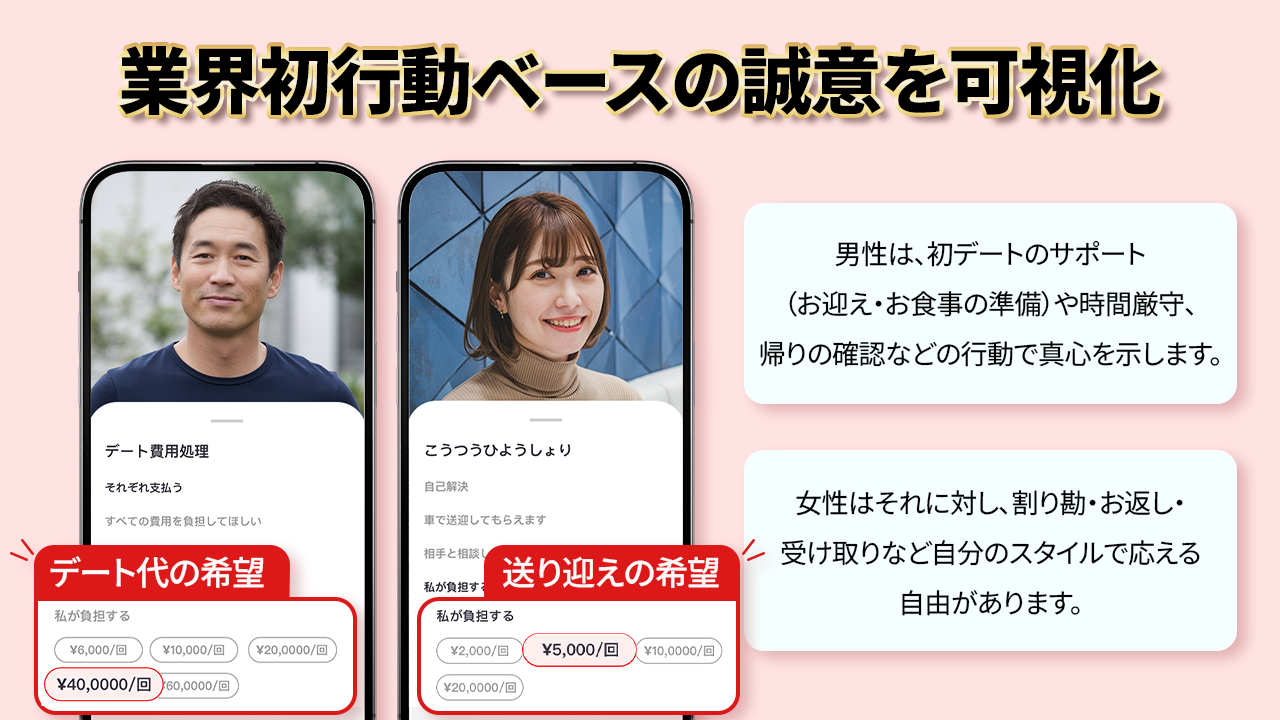
- The First Step Towards a Safe and Respectful Relationship: Three Actions that Show "Mutual Effort"
- Frequently Asked Questions (FAQ)
- Conclusion: Making Shin-Okubo Encounters the Beginning of a Solid Relationship
- Shall We Start a New Form of Encounter?
Three Mindsets for Starting "Intentional Encounters" in Shin-Okubo
Before stepping into the streets of Shin-Okubo, taking time to align your own heart and mind is the most important thing. Here, "intentional encounters" refer to the process of clarifying your own values, respecting those values with a partner, and building a relationship in an appropriate environment, rather than leaving things to chance. The "Clarity of Intent" that Yoitoki emphasizes begins here.
Deepening Self-Understanding: What Are You Seeking in Shin-Okubo?
Before heading out, quietly ask yourself, "Am I just looking for a fun time today, or do I want to meet someone with whom I could potentially continue a relationship?" The answer to this question significantly changes your actions and the places you choose.
Deep self-understanding is not just a list of hobbies; it involves articulating "why you like it," "what feelings you experience through that hobby," and "what values you cherish." For example, if you like K-POP, you might say, "I don’t just like the music; I appreciate the openness to multiculturalism and feel the value of effort and teamwork in passionate performances." Such introspection is the very articulation of "deep values," which is the starting point for matching in Yoitoki's "Kokoromusubi AI," making you the most essential matching element.
"Choosing a Place" is "Expressing Intent": The Environment Determines the Quality of Relationships
Shin-Okubo is filled with diverse shops. You can enjoy light interactions and dance in a loud K-POP club or have a slow conversation over coffee in a cozy café. What’s important is that "the place you choose unconsciously conveys hints about the type of relationship you seek to the other person."
Mutual respect in adult encounters also begins with such non-verbal messages. It’s rare to find an environment where personal topics can be delved into right off the bat. Choosing an environment suitable for the relationship you desire is itself a consideration for the other person and an act of clarifying your own intent.
Be Active, Not Passive: You Are the "Seeker" and the "Chooser"
Shift your mindset from "waiting for encounters" to "taking action to meet people who share values in a good environment." Being active doesn’t only mean approaching others directly. It also means choosing places where you feel comfortable and maintaining an open attitude. Additionally, having curiosity instead of prejudice towards the people around you is part of this.
This proactivity is the foundation of the "emotional equality" that Yoitoki aims to achieve through its platform. The premise that both parties participate with intention and build a relationship prevents hierarchies and dependencies, paving the way for a healthy partnership.

Changing the Quality of Conversation: The "Three Types" of Spots in Shin-Okubo and Examples of Questions to Deepen Understanding
Once the location is decided, the quality of "conversation" becomes everything. The diverse spots in Shin-Okubo serve not just as a backdrop but as excellent tools for deepening conversations. Here, we introduce specific conversation starters for exploring "Deep Compatibility", as proposed by Yoitoki, categorized by spot types. This is a way to practice essential dialogues that our "Kokoromusubi AI" promotes digitally, in the real world.
Type A: "K-POP/Korean Culture" Spots that Foster Empathy
Concept cafes, merchandise shops, event venues—here, the feeling of "liking" is the biggest entry point. But don’t just stop there; take a step further.
How to Invite Deep Conversation: Instead of just asking, "What’s your favorite song by this artist?" try asking, "Why do you like that song? Is it the message of the lyrics or the soothing effect of the melody?" If the person replies, "I’m inspired by the lyrics that praise effort," it may reflect a "value that emphasizes growth." If they say, "I find artistry in the complex melody," it indicates a tendency to appreciate aesthetic sensibilities and deep thinking. Answers to these "why" questions can be key to discovering emotional and value commonalities that go beyond shared hobbies.
Type B: "Share-Type" Restaurants Where Cooperation is Visible
Korean cuisine is rich with menu items like hot pot and samgyeopsal that naturally invite sharing. This "act of sharing" itself is a small cooperative task.
Points for Observation and Conversation: Pay attention to the process of choosing a menu. Can you say, "I’ll go along with what you want to eat," or can you propose, "Shall we share this and that?" This may seem trivial, but it’s an opportunity to glimpse the other person’s consideration and decision-making style. During the meal, you might say, "This taste is new to me. What are your taste preferences?" to naturally transition into more personal topics, like childhood food experiences and family memories. Share-type meals create an ideal environment where physical "sharing" becomes a bridge to emotional "sharing."
Type C: "Bar/Café" Where Calm Conversations Are Possible
Since the "shared experiences" of music and food are not front and center, pure "dialogue" itself becomes the main focus here. It’s important to transition from small talk to topics that touch on the individual’s inner self.
Tips for Natural Shift Changes: Instead of asking, "What do you do for work?" try asking, "Away from your profession, when do you find yourself immersed in something?" The answers could vary from reading, cooking, to solo traveling. From there, further delve into "Why do you like it?" For example, if someone enjoys traveling alone, ask, "What discoveries or realizations do you gain from spending time alone in new places?" This can reveal their independence and tendency for introspection. Focusing on the "emotions" and "motivations" behind actions promotes essential mutual understanding rather than superficial profile exchanges.
💡 Yoitoki Insight: Beyond Algorithms
The challenges you face are precisely why we developed "Kokoromusubi." While other apps match based on superficial traits, our AI identifies "deep compatibility" through factors like how you handle stress, express empathy, and share values.
👉 Find Your True Match with Yoitoki →

The First Step Towards a Safe and Respectful Relationship: Three Actions that Show "Mutual Effort"
Even if you have a good conversation, whether it develops into a sustainable relationship depends on subsequent "mutual effort." The "Mutual Effort" that Yoitoki advocates takes on meaning only when it is translated into daily concrete actions. Here, we introduce practical action guidelines for nurturing the relationship post-first meeting.
Conversation is a Game of Catch: Balance of Information and Mutual Openness
Asking deep questions is important, but be careful not to make it one-sided "interrogation." Healthy conversation is a game of catch. If you ask the other person about their values, you should also be equally open with your own thoughts on the same question.
For example, after asking, "What lifestyle do you aspire to in the future?" follow with, "As for me..." to share your own thoughts. This way, the other person won’t feel discomfort from being the only one sharing and will feel reassured that they are exchanging information on an equal footing. This interactivity is the foundation of trust and a core principle of Yoitoki.
Confirming Future Plans through "Mutual Confirmation": Proposals That Show Respect
Instead of vaguely saying, "See you next time!" at parting, aim for a specific and respectful proposal for the next meeting.
Examples of Smart Proposals: "We had a great time talking about K-POP today. Actually, next month, there’s a documentary screening of this artist. If you’re interested, would you like to join me? How does your schedule look?" This proposal includes a consideration for "remembering the previous conversation," clarity with a "specific plan," and most importantly, a respectful gesture of "confirming the other person's intentions." This approach is encouraged in communications after matching on the Yoitoki platform, promoting a mature approach.
"Aligning Intentions" After Exchanging Contacts: Messages That Determine the Direction of the Relationship
The first message after exchanging contact information carries more significance than mere courtesy. It can send a positive signal about the development direction of the relationship.
Examples of Messages to Clarify Intent: "Thank you for today. I found your views on work very inspiring. If we meet again, I would love to talk about something I've been into recently as well. Let’s chat again soon!" This message conveys a positive intent to "dive deeper into this topic next time" and communicates "there’s ongoing value in our conversations." This balance, which avoids leaving ambiguity while not being pushy, represents the form of "mutual effort" in adult communication.

Frequently Asked Questions (FAQ)
Q1: Is there a natural way to confirm each other's expectations regarding the relationship (serious dating or friendly) when meeting someone in Shin-Okubo?
A: Directly asking "Are you serious?" can be a high hurdle. Instead, try weaving in light discussions about specific future plans. For instance, if you suggest, "It would be great to go to the upcoming fall festival in this town together," observe their reaction. If they respond positively and specifically, it’s likely they are interested in continuing and developing the relationship. Platforms like Yoitoki allow for clarifying relationship intentions (like seeking a serious relationship) during the profile creation stage, significantly reducing the stress of confirming intent from the start.
Q2: How can I avoid cultural misunderstandings when meeting Koreans or foreigners?
A: The most important thing is to approach with the mindset of "there are differences" and not impose your own norms. Asking, "In Japan, it’s like this, but how is it in your country?" shows curiosity and respect. If you have concerns about dining etiquette or personal space, you might preface your question with, "This might be a cultural difference, but…" and ask frankly. Yoitoki’s AI matching is designed to support deep compatibility by helping members with diverse cultural backgrounds understand and respect each other's values, providing a foundation for building connections that go beyond surface differences.
Q3: What are some tips for developing conversations after a match on an app, where they often don’t continue?
A: The key is to use the "specific experiences" shared in your first encounter as "seeds" for your next conversation. Shared memories tied to your senses, such as the taste of the food you ate together, the music you listened to, or the impact of a sign you saw, become strong commonalities. Adding phrases like, "I still remember the taste of that kimbap," or "On my way home, I listened to that song and thought it would be nice to talk again," can naturally expand the conversation. This act of discovering and nurturing the "commonalities based on emotions and values," which Yoitoki emphasizes, is essential.
Q4: How can I politely end a meeting when I feel the age group or atmosphere doesn’t match?
A: It’s smart to express gratitude towards the "occasion" or "time" without denying the individual. You might say, "Thank you for your time today. I found our discussion about the various shops in Shin-Okubo very informative," focusing on the shared information or time rather than the individual. Yoitoki matches members based on foundational and essential compatibility factors such as age group, life stage, and values, significantly reducing the risk of feeling a fundamental mismatch from the beginning.
Q5: What spots are recommended for someone to go alone without feeling out of place?
A: Bars with counter seating or cafes known for their solo guests reading or working are recommended. Viewing being alone as a "proactive choice" and showing an open and calm demeanor, such as lightly chatting with bar staff or reading a favorite book at a café, creates a natural flow. Yoitoki supports independent adults who deliberately seek "intentional encounters" in their own unique way.
Conclusion: Making Shin-Okubo Encounters the Beginning of a Solid Relationship
To ensure that encounters in Shin-Okubo do not end as mere "triggers" but become the beginning of a respectful and growth-oriented relationship, a little awareness of "intent" and "mutuality" is key. The mindsets and conversation starters introduced here are indeed the first solid steps towards the relationships you truly want to build. Deepening self-understanding, intentionally selecting environments, and approaching the other’s inner self with respect will transform you into an attractive partner.
Breathing the same air as those who are moved by similar things, gradually closing the emotional distance while confirming each other's values—such careful and warm relationships can, before you know it, become your own solid bonds.
Shall We Start a New Form of Encounter?
To you who are tired of ambiguous relationships, if you seek connections built on mutual effort and true understanding, your place is here.