

![To Realize True Love: How to Mutual Feelings with the Person You Like [For Women] - Starting a Healthy Relationship from "Mutual Understanding" by Yoitoki](/_next/image?url=https%3A%2F%2Fimage.yoipapa.jp%2Foutrank%2F202511%2F19%2F1697724636915a292698927.35155908.jpg&w=3840&q=75)

It’s frustrating when there’s no response, even though it’s marked as “read.” Fun conversations don’t lead to the next appointment. Your serious feelings often fade away into ambiguous reactions… I truly understand that feeling of unrequited love and loneliness.
The world is filled with shortcuts like “I’ll make them fall in love in a few days” and information that encourages one-sided efforts. However, these are momentary and tend to misalign each other's hearts, leaving fatigue in the end.
In this article, I will introduce a path to “mutual love” that respects each other and connects hearts, rather than a one-sided “love technique.” This is a sincere approach for those who want to build a serious relationship based on “mutual effort” and “deep compatibility” proposed by Yoitoki. Let’s consider how to naturally shorten the distance while valuing your true self, incorporating a psychological perspective.

Table of Contents
- The first step is self-understanding and respect: starting with looking at your “true feelings”
- Building trust through sincere communication: expressing your feelings and listening to the other person
- Deepening the relationship naturally through “mutual effort”: subtle care and shared experiences
- Evaluating and the next step: signs of mutual love and how to proceed towards a healthy relationship
- Frequently Asked Questions (FAQ)
- Shall we start a new form of meeting?
The first step is self-understanding and respect: starting with looking at your “true feelings”
“Mutual understanding” in love starts with deeply knowing yourself before knowing others. This is the foundation of a healthy relationship that Yoitoki calls “Clarity of Intent.” When your self-axis is unstable, you can get overly emotional about small changes in the other person and lose sight of what truly matters.
Clarifying your values and the type of relationship you seek
Let's first face the question of “what kind of relationship do you want to build,” rather than “what kind of partner do you like.” This forms the core values of your partnership.
- Concrete Action: Open a notebook and start answering the following questions:
- What are my most cherished values (honesty, growth, family, freedom, etc.)?
- In an ideal relationship, how do we communicate with each other?
- What is the most important element I seek in a partner? (e.g., reassurance, excitement, consideration)
This self-assessment will help articulate vague anxieties into “words” and guide you towards grounded choices.

Let go of one-sided idealization and make an effort to understand the person as they are
The feeling of “liking” can sometimes make you see the other person through a filter. It’s common to project an ideal image and end up liking a fantasy character that differs from reality. True mutual understanding arises from letting go of this fantasy and focusing on the “real person” as they are. Observe not only their good sides but also their weaknesses, fatigue, and quirks with curiosity. This is the first step towards respect.
Recommendation of Yoitoki’s “Value Assessment”
Using tools to deepen self-understanding objectively is also one method. Yoitoki’s “Kokoromusubi AI” is designed precisely starting from “self-understanding” and “clarifying values.” Instead of superficial hobby matches, it suggests a foundational understanding from the essence of compatibility that supports the sustainability of the relationship based on how you deal with stress, show consideration, and prioritize in life.
Building trust through sincere communication: expressing your feelings and listening to the other person
To close the distance in this how to be in mutual love with someone you like, sincerity is more important than technique. What is embodied here is the principle of “Emotional Equality,” which is at the core of Yoitoki. Instead of one leading and the other following, let’s build a relationship where both express and receive feelings equally.
Show “interest” rather than “interrogation” in conversations
Is your conversation turning into an interview format? Question-and-answer sessions like “What are your hobbies?” “Do you have siblings?” won’t connect hearts deeply. Instead, aim for “open questions” that naturally touch on the other person’s inner self and values.
- Example: “What did you do over the weekend?” (closed question) → “What’s the most calming way you relax on weekends?” (open question)
- Effect: Such questions tend to reflect the person’s worldview in their answers, deepening the conversation and providing opportunities to know each other more multifacetedly.
The courage to show “weakness” and “authenticity” — the effect of vulnerability
Continuously playing the perfect person is not only exhausting but also creates an atmosphere where the other person finds it hard to speak their true feelings. Sometimes, share a little failure story, something you’re working hard on, or something you feel a bit anxious about. In psychology, this is called “vulnerability,” and it’s a powerful tool to rapidly deepen intimacy. It’s a sign of trust that says, “Please see my imperfect self,” and it invites the other person to also show their authentic self more easily.
Active listening: showing an attitude of empathy and understanding towards the other person’s story
Communication is not just about “speaking skills,” but “listening skills” make up the majority. Active listening is about not just nodding or acknowledging but summarizing what the other person has said in your own words (“So, what you mean is…?”), showing respect and empathy that says, “I’m seriously trying to understand your story.” This is the ideal form of dialogue that Yoitoki’s platform promotes, where both parties can comfortably share their true feelings.
💡 Yoitoki Insight: Beyond Algorithms
The challenges you face are precisely why we developed “Kokoromusubi.” While other apps match on superficial traits, our AI discerns “deep compatibility” such as how you handle stress, show consideration, and share values.
👉 Let’s find your true compatibility with Yoitoki →

Deepening the relationship naturally through “mutual effort”: subtle care and shared experiences
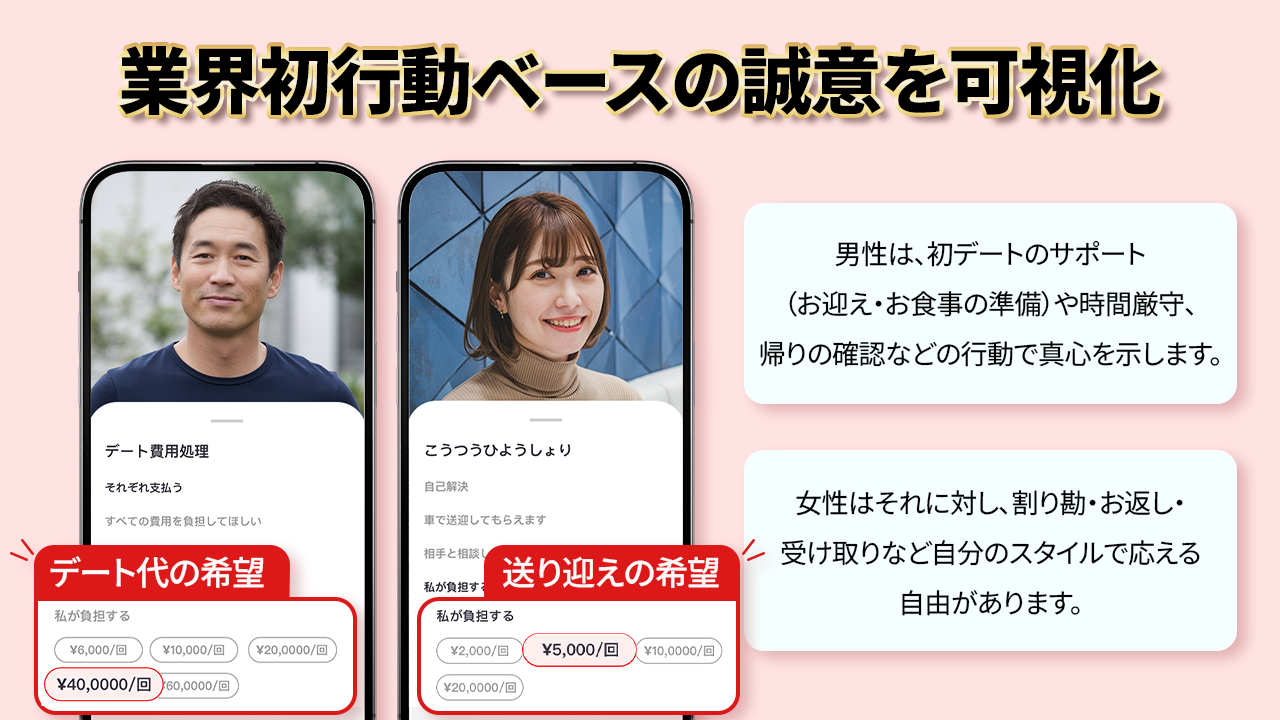
Relationships are not nurtured by one person but are grown cooperatively by both. The core of this section is the concept of “Mutual Effort,” which Yoitoki emphasizes most. It’s tiring when the approach is one-sided because it is not “mutual.” Relationships that naturally draw closer require a catch-and-throw of subtle care.
Building trust through keeping small promises
“Let’s have lunch another time” — let’s turn those words into concrete sincerity. If someone asks you, “Can you tell me more about this later?” bring it up again a few days later. If someone recommends, “This movie is interesting,” share your thoughts after watching it. The accumulation of such small promises builds a significant sense of trust that says, “This person remembers my stories and respects me.”
Sharing time naturally through common hobbies and interests
If you have hobbies or interests that excite conversation, developing them into actual “experiences” is one of the most natural ways to deepen the relationship. A low-commitment, casual suggestion like, “You mentioned this author, would you like to go to a book café together?” is easier for the other person to accept, naturally increasing the time spent together. This acts as a confirmation of shared values as “real experiences” and creates shared memories.
Being aware of “creating a relationship together” rather than a one-sided approach
Are you the only one suggesting date plans and sending messages? If a truly two-way relationship is being nurtured, then natural suggestions and considerations should arise from the other side as well. Creating “space” intentionally and leaving room for the other person to act spontaneously is also important. For example, asking, “I’m curious about XX, do you know more about it?” shows that the relationship is something both are walking towards together, creating mutual effort.

Evaluating and the next step: signs of mutual love and how to proceed towards a healthy relationship
After practicing the approaches so far, the final wisdom is to realistically evaluate the relationship and move forward. What is ultimately questioned here is the perspective on “Quality & Safety” that Yoitoki provides to users. You need the ability to respect yourself and discern relationships where you are respected.
Signs of “interest” focus on the other person’s “sustained efforts”
Single kind words or actions can be done by anyone. True signs of “interest” are whether the other person is continuously investing resources (time, effort, care) into you. Are they trying to reach out even when busy, remembering the details you’ve shared, or naturally mentioning future plans (“Let’s do this next time”)? These sustained efforts are a sign of sincere interest.
Ambiguity is one answer: graduating from unclear attitudes
Even after making sincere approaches and creating opportunities to deepen the relationship, if the other person’s attitude remains ambiguous and passive, it may be necessary to bravely accept that as one “answer.” When you realize that the relationship isn’t becoming “mutual effort,” valuing yourself means reviewing that relationship decisively and opening your heart to new encounters. Your time and feelings are too precious to spend on someone ambiguous.
Encouraging adult conversations to confirm each other's intentions
Once the relationship progresses naturally to a certain extent, the timing will come to discuss each other's feelings and the type of relationship you seek, openly and kindly. Expressing feelings like, “I really enjoy our time together” or “I’m happy to meet you again” and listening to the other person’s thoughts is not putting pressure but rather a sincere attitude born from mutual respect. Yoitoki aims to provide a place for serious encounters where such healthy communication can occur from the beginning.
Frequently Asked Questions (FAQ)
Q: Won't I seem pushy if I take an active approach?
A: “Pushiness” is a one-sided self-assertion. Showing interest through natural conversation and subtle care while observing the other’s reactions is rather an embodiment of sincerity. Yoitoki provides an environment where both can express their intentions safely.
Q: How can I meet someone who shares my hobbies and values?
A: The environment of meeting itself is important. Yoitoki’s “Kokoromusubi AI,” which matches based on intrinsic values rather than superficial profiles, supports you from the start to meet someone with deep compatibility.
Q: What is the best frequency for messaging and response pace?
A: Rather than playing games like “waiting for X minutes,” I recommend replying within your natural daily rhythm where it feels comfortable. If the match is truly right, they should understand your natural pace.
Q: What should I do if the relationship isn't progressing?
A: There is a natural limit to the period of one-sided effort. Your time and emotions are precious. Reflect on whether the relationship has become “mutual effort,” and if not, sometimes it’s necessary to switch your feelings towards the next encounter.
Q: How is Yoitoki different from other apps?
A: While many apps offer “numerous encounters,” Yoitoki focuses on “one essential encounter.” For this, it provides an advanced matching system based on psychology and pathways to deeply know each other, valuing the “time and hearts” of those seeking serious encounters.
True meaning of how to be in mutual love with someone you like lies not just in moments of emotional agreement but in the accumulation of “mutual effort” to respect, understand, and nurture each other. Valuing yourself and showing the same respect to the other person — this sincere attitude is the quickest path to the deepest bond.
Imagine a relationship where you can relax and be your authentic self, and where you can also accept the other person as they are. A relationship where you can feel a sense of safety and growth.
If you wish to meet a serious partner who shares similar values and thoughts from the start, you might resonate with Yoitoki’s approach. Why not have your desired relationship professionally supported?
Shall we start a new form of meeting?
To you who are tired of ambiguous relationships, if you seek a connection built on mutual effort and true understanding, your place is here.