Drawing on a street interview with a Japanese man who lived abroad and a 20-year-old woman, we look at why what feels 'normal' in a relationship can shift even when you share a language, and how to talk about it so you drift apart less.
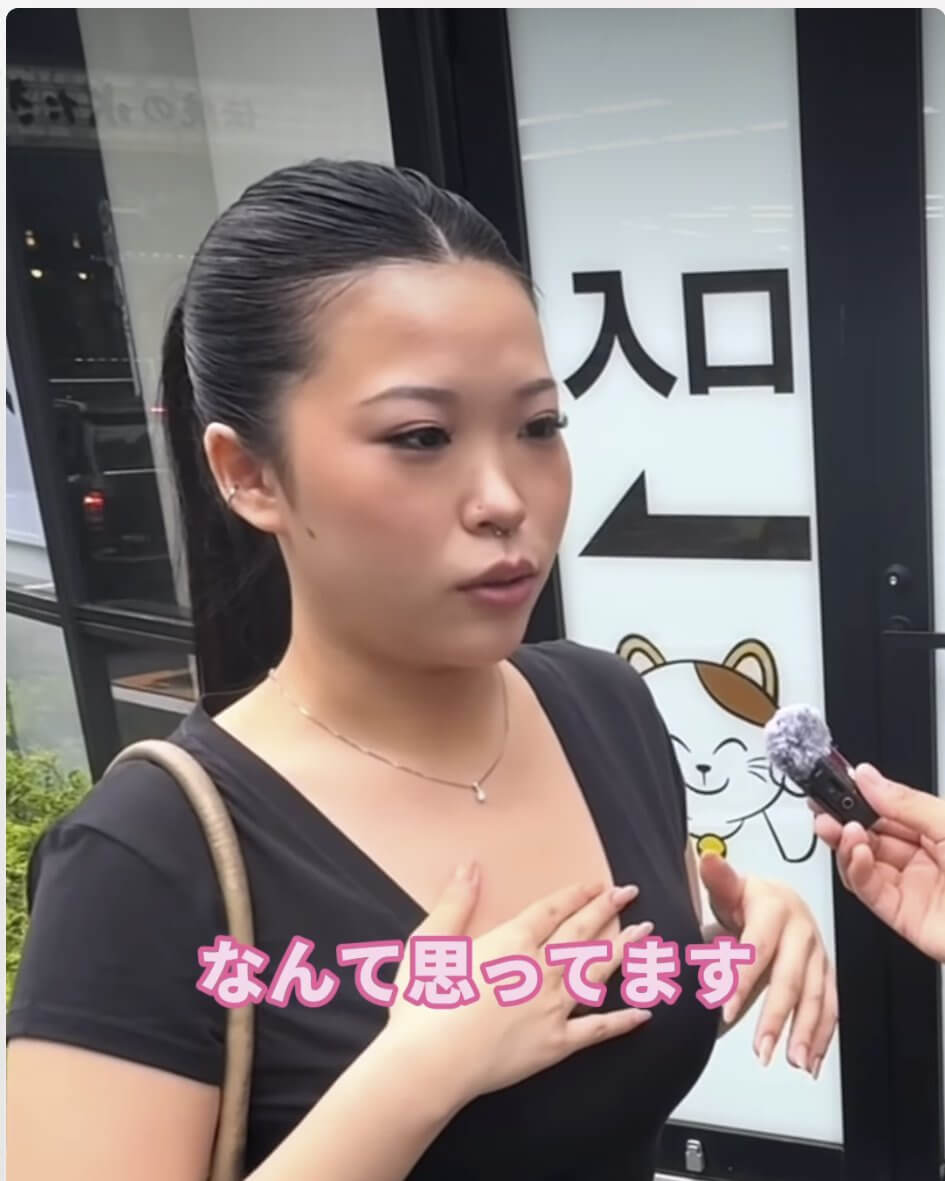
We spoke with a 19-year-old returnee man and a 20-year-old woman about how they met and why culture and views on relationships can drift apart even when you both speak Japanese.
Returnees are not all the same: the age they went abroad, how long they stayed, the language spoken at home and the country they lived in all differ. Even if someone speaks Japanese naturally, how they show affection, how close they keep to people and how directly they say what they think need not match someone raised in Japan.
Is he really mixed? He seems way too Japanese.
@h9594659 He might not be half-white, you know. There are plenty of Asian Americans too.
These comments are one example of how Instagram viewers reacted. They are not included as material for judging anyone's nationality or roots.
What matters when dating a returnee is not assuming 'they are Japanese, so they will understand'. Knowing where someone grew up is a useful clue, but what you need to confirm in the end is what the person in front of you actually values.
Interviewer: How old are you?
Woman: I'm 20.
Man: I'm Yuto. I'm 19.
Interviewer: Where did the two of you meet?
Woman: We were travelling in Osaka.
Interviewer: What do you both do for work?
Both:We're students.
Interviewer: What made you want to start dating?
Woman: Family, I guess. We hung out and spent time together and it was really fun, so I thought, I want her to be my girlfriend from now on.
Interviewer: Who confessed first?
Man: I sent the first DM, and I was the one who confessed too.
Interviewer: What do you like about him?
Woman: He's mature, and he has his own views. He's serious too, and the way he scolds me is somehow like my mum. No, not in that way - he tells me off like a mother does, lol.
Interviewer: Is he half American and half Japanese?
Man: Half American and half Japanese.
Interviewer: Do you feel a cultural difference?
Man: Definitely. Too many to list. Most of them, I think, are differences in what counts as common sense. I'm from America, so what's normal for us isn't always normal for her. The reverse too - what she sees as normal isn't normal for us. We disagree over small things like that, and that, to me, is the big part of the cultural difference.
Interviewer: Can you give us a concrete example of a cultural difference?
Man: Can I tell you about an argument we had recently? In America, showing affection matters a lot, and people are not too shy about affection in public. Kissing my girlfriend in public doesn't embarrass me at all. But she doesn't like it. In Japan, people are uncomfortable with that kind of thing in public. It's not that I dislike kissing in public, but I have to understand how she feels and find a way she's okay with. Even if it's not what I want, I need to do it. Well, that's how it is. That's one of the bigger differences I can give as a concrete example.
Interviewer: Do you have any thoughts on that? For example, do you feel America and Japan think differently?
Woman: Honestly, I think our ways of thinking are completely different. I make a point of treating him on that basis, because otherwise I don't think we could stay together for long. I just go with 'we really are different about everything'. Especially with America.
Man: To everyone watching, have a good day.
Based on the video remarks, organised with speakers labelled. Hesitations and repetitions were smoothed for readability without changing the meaning, and some English used mid-conversation is kept as spoken.
Even when you share a language, how affection is shown and how close people keep can feel out of sync. Here we connect the points from our reference material with this street interview.
Returnees differ in how old they were abroad, how long they stayed, the language used at home and the country they lived in, so you cannot assume 'that's just how returnees are'. That said, time spent abroad can give someone a different sense of what is normal or obvious from someone raised in Japan.
How to apologise, how to talk to someone older, how to behave with a partner, how affectionate to be in public - these unspoken rules are shaped by where you grew up. When you catch yourself thinking 'why don't they get it?', it may not be that they lack common sense; their common sense may simply be different.
Saying you like someone, holding hands in public, hugging - people who have lived abroad may be less hesitant about putting feelings into words and actions. Rather than deciding which side is right, it matters more to check what feels comfortable for both of you.
Some people take roundabout phrases like 'that might be a bit difficult' or 'maybe another time' at face value. Others feel that saying what you mean directly is the honest thing to do. If a way of speaking feels blunt, check what the other person meant.
Some people want to meet every day; others want to keep their own time even in a relationship. Instead of reading fewer messages straight away as 'cold', talk about what frequency feels reassuring to both of you - that cuts down needless misunderstandings.
In Japan, there are moments where the considerate thing is to understand without being told. But to the other person it can feel like 'if you don't say it, I won't know'. The more important something is, the safer it is to put it into words rather than expect them to pick it up.
When to marry, whether to keep working, whether to live in Japan or abroad, how close to live to family - these are choices worth checking early. Don't decide them one-sidedly before the relationship deepens; share what you each hope for sooner rather than later.
Japanese nationality or fluent Japanese does not tell you someone's values. Even when comments guess at a person's roots from how they look, their environment and way of thinking cannot be read from the outside. What matters is not nationality but what the person in front of you cares about.
These two comments are reactions to whether the man in the video is really Japanese and what roots he has. We do not treat the comments as an answer about cultural difference; we read them as a prompt to think about how nationality or roots alone cannot tell you what feels 'normal' to someone, or how they see relationships.
Is he really mixed? He seems way too Japanese.
This comment is about a question of roots - whether the man is really mixed-race or Japanese. It is a viewer's honest reaction to how he looks in the video, not a comment about cultural difference itself.
What it does show is that nationality or appearance is not the same as someone's cultural instincts. Even with natural Japanese, time spent abroad, the language used at home, school and friends all change what a person takes as normal.
How you describe someone's roots and the setting in which their values formed are two different things. In a relationship, knowing the life a person has actually lived helps more than a label when it comes to drifting apart less.
@h9594659 He might not be half-white, you know. There are plenty of Asian Americans too.
This reply suggests that because there are Asian Americans, he may not be 'half-white'. The two comments continue as a thread about how to read the man's nationality and roots.
There is no need to use this exchange to decide who is right. Better to notice that even with the same nationality or family roots, where you lived, your ties with family, the languages you used and the people around you can change how you experience culture and what distance feels right in a relationship.
Rather than deciding first on 'because they are Japanese' or 'because they are foreign', find out what setting they grew up in and what they have been through. That accumulation is the way in to understanding how they see relationships.
The comments shown are one example of the varied reactions from Instagram viewers and are not an official view of the Yoitoki Editorial Team. They do not determine anyone's nationality, roots or identity.
Answers to the questions people most often search for about dating a returnee, with attention to life abroad and to how much individuals differ.
Because the age they went abroad, how long they stayed, their home environment and the country they lived in differ from person to person. Even if they speak Japanese, how they show affection, how close they keep to people and how directly they state an opinion need not match someone raised in Japan.
Because understanding a language and understanding a culture are not the same. School, family and friends abroad can shape values that do not treat a Japan-only 'normal' as the single standard.
Instead of assuming 'they are Japanese, so they will understand', say something concrete like 'this is how I feel, what do you think?'. Ask where the difference comes from and talk through a way that works for both of you.
Parts of it do. But it tends to show up not as physical distance, rather as a gap in how much to message and how often to meet. In our interview too, we heard that people who grew up abroad and people raised in Japan have different baselines for closeness and for showing affection. That said, you cannot conclude that relationships with returnees are harder to sustain. Whether a relationship lasts also depends on whether you can talk when values differ and work out what you can and cannot compromise on.
Talk without assumptions about when and how long they lived abroad, the language used at home, how affection is shown, messaging frequency, affection in public and where they would like to live in the future. It makes the person easier to understand.
In a relationship with a returnee, even two Japanese people can find that 'normal' does not match when they grew up in different places. Rather than explaining your partner through a category, ask what they actually think and build a way of being together that works for both of you.
So you can line up what you both want without assuming 'Japaneseness' or 'overseas experience' tells you the answer - communication, trust and reciprocity grow out of conversations like these.

Instead of 'this is how it's normally done', say it as your own feeling - 'I like it when you do this'.

Talk about messaging frequency, affection in public and time alone, and what distance feels reassuring.

Check the things you cannot compromise on - whether to live in Japan or abroad, work after marriage, how close to live to family.
First-hand interviews with people who grew up in different places, and how they see relationships.
There is no need to feel nervous.
Yoitoki supports you in finding something serious.