

FOREIGNER × JAPAN × INTERNATIONAL EVENTS

How to Find International Events in Japan
How to Meet Locals in Japan as a Foreigner

Where do I find them? Is it okay to go alone? Can I join without speaking Japanese? This page starts with the entry points to the city guides, then sets out the types of events, how to read a notice and how the Japanese and English wording correspond.

01Find a venue
02Check the date and time
03Book a place
04Join safely

Event Schedules by City: International Events in 4 Cities

This page was last updated on /After the city guides are published, we will check each notice and update weekly

Schedules for Tokyo, Osaka, Nagoya and Kyoto will be gathered in a guide for each city, updated once a week. This page is a permanent guide whose dates do not change. In each city guide we plan to check the date, fee, languages used, entry conditions and cancellation policy on the organiser's official site and sign-up screen, then compare them using the same fields.

Tokyo at night
Weekly updates planned

International Parties in Tokyo
Upcoming events and how to find meetups

Centred on Shinjuku, Shibuya and Roppongi, Tokyo has sessions in every format from language exchange to international parties. A small weeknight session draws a different crowd from a big weekend event, so we list by day of the week and format.

Main areas: Shinjuku, Shibuya, Roppongi, GinzaUpdates: weekly planned, past sessions kept
Number of Events This Week15
Featured EventGaitomo — Love & Marriage International Party
See this week's schedule →Published
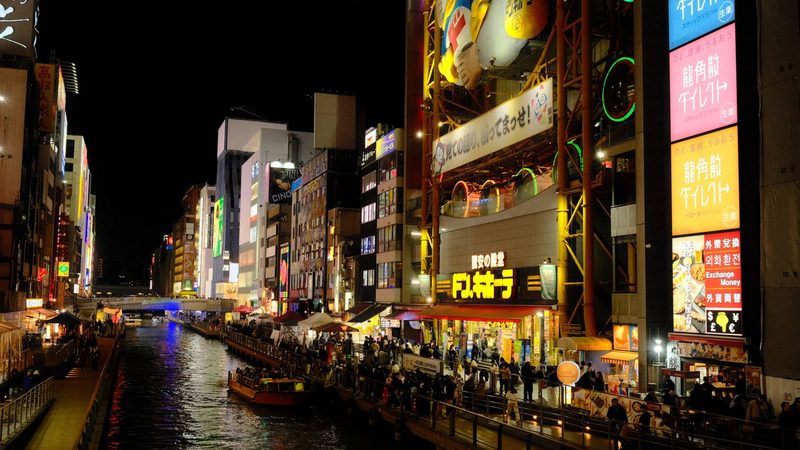
Dotonbori in Osaka at night
Weekly updates planned

International Parties in Osaka
Upcoming events in Namba and Umeda

Look around Namba, Umeda and Shinsaibashi and you will also find meetups that welcome solo attendees. We will put free sessions run by municipalities and international centres in the same table as private parties so you can compare fees.

Main areas: Namba, Umeda, Shinsaibashi, HonmachiUpdates: weekly planned, public and private listed together
Number of Events This Week20
Featured EventWhyNot!? Traffic Light & Karaoke Party — Sunday, November 29
See this week's schedule →Published
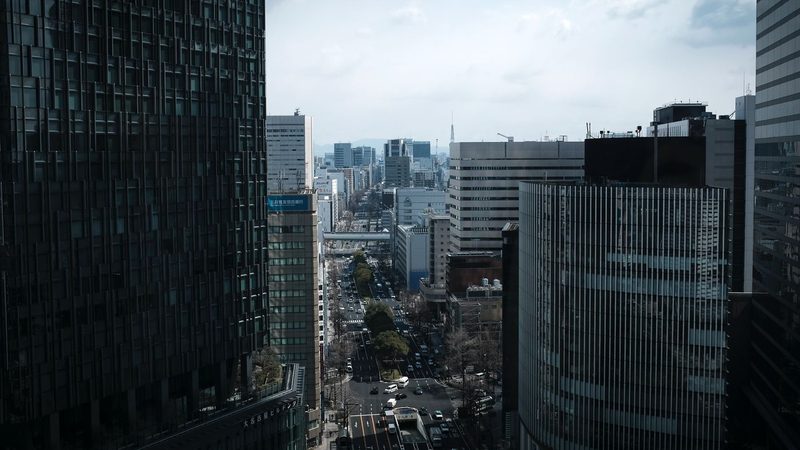
Central Nagoya
Weekly updates planned

International Parties in Nagoya
How to find meetups and wine gatherings

We focus on international events around Sakae and themed gatherings such as Nagoya wine meetups. Outdoor events are often cancelled because of the weather, so we give priority to the organiser's notice from the day before.

Main areas: Sakae, around Nagoya StationUpdates: weekly planned, cancellations included
Number of Events This Week10
Featured EventGlobal Friends — Cake Party: November Edition
See this week's schedule →Published
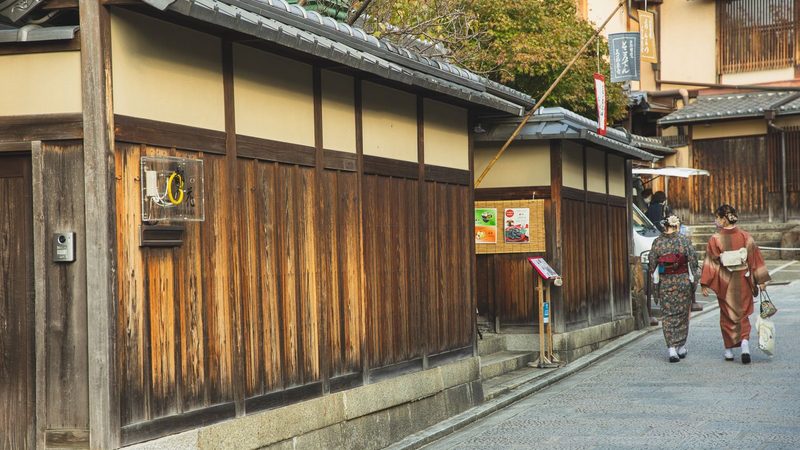
A street of traditional townhouses in Kyoto
Weekly updates planned

International Parties in Kyoto
How to find small-group meetups

We focus on small meetups along the Kamo River and on English-and-Japanese sessions that mix students, travellers and residents. For anyone who wants plenty of conversation time, the schedule will state the capacity and table format.

Main areas: along the Kamo River, around Kyoto StationUpdates: weekly planned, capacity and format shown
Number of Events This Week22
Featured EventKyoto Only 20s & 30s Make Friends International Party — November 27
See this week's schedule →Published

Event counts and featured events mirror the overview table in each city guide and are updated weekly.

5 Things to Check in a Schedule, and What Notices Often Leave Out

  • Date, time and when check-in opens: also check where cancellation or postponement notices appear. Some sessions change between the day before and the day itself.
  • Entry fee and payment methods: notices often do not say whether a drink is included in the fee, so check the sign-up screen.
  • Languages used: look beyond labels such as Japanese speakers welcome or English Only, and check which language the staff will use on the day.
  • Entry rules: age, student and solo-attendee conditions are sometimes spelled out in more detail on the sign-up form than in the notice.
  • Cancellation policy and contact details: even a free session needs a contact for same-day cancellations. Confirm the organiser name and contact details are stated.

Schedules change at the organiser's discretion. This page does not fix any specific date; each city guide updates week by week. Past sessions stay as past events and pile up in the same guide, so we do not create a new article for every date. Until the four guides are published, read Types of Events and Types of Regular Places on this page first to narrow down the format that suits you.

How we researched thisThe Yoitoki Editorial Team put together the fields worth checking on an organiser's official site and sign-up screen, as a checklist and as rough guidance by format. Dates, fees, languages used, entry conditions and cancellation policies for each session will be published and updated weekly in the city guides for Tokyo, Osaka, Nagoya and Kyoto after checking the notices. This page itself fixes no specific dates and only keeps the how-to and the checklist. The editorial team did not attend every event in person.

What Street Interviews Said About Where People Meet

We quote two comments about places to meet people from street interviews Yoitoki conducted. Neither is about attending an international event; both are about dating and meeting people in general. We include them so events are not treated as the only place to meet someone.

I think you can meet women anywhere, really. People always say don't look for a girlfriend at a club, but honestly it depends on the person. Not everyone is there for that reason.

The point is that even in the same place, every attendee has a different purpose. Do not assume an international event is a place for finding a partner - read the stated purpose in the notice first.

An American man speaking in a street interviewSource:Who pays on a first date in Japan?(Yoitoki Editorial Team, quoting a comment about places to meet people from the article)
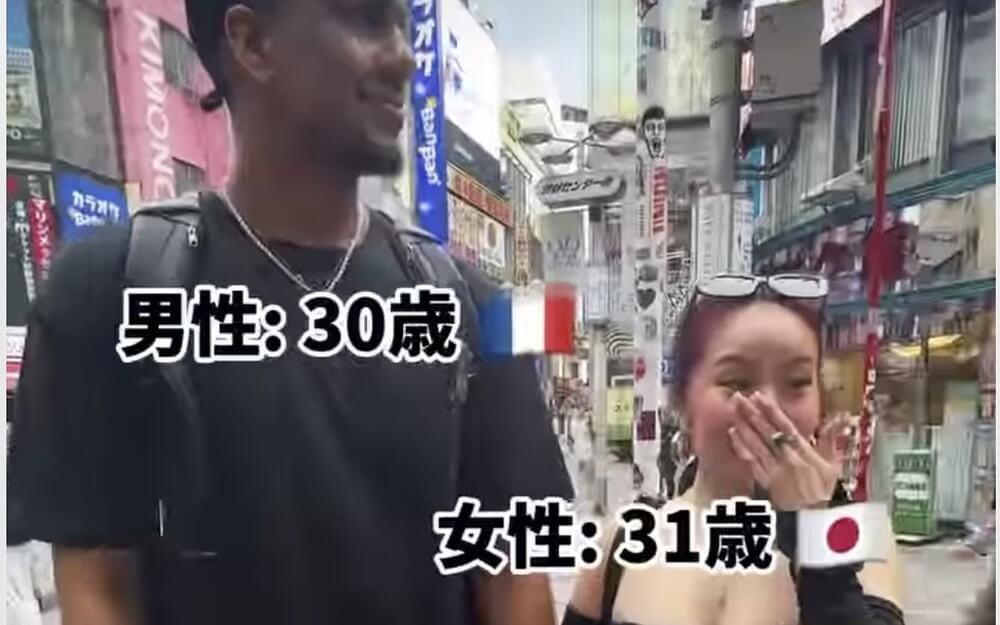

Where we met - um, we came from Fukuoka, and, um, he was a customer at the shop where I worked part-time.

Relationships do not only begin at events. What this page lists is just one option for when you want to go out and find a place yourself.

A French man and a Japanese woman talking about international datingSource:Why international couples misunderstand each other(Yoitoki Editorial Team, quoting a comment about meeting someone from the article)

Types of Events: From International Meetups to Speed Dating

International meetup covers a lot: some events centre on language and culture, like international student exchanges, while others draw a general crowd, like an international festival. Names such as cross-cultural event, foreigner meetup or international exchange event are chosen freely by organisers, so the reliable way to judge the real purpose is to ask who the notice is written for. Expectations shift with the format, so a general meetup is the safest place to start.

FormatMain purposeTypical intent (rough guide)Typical feeGood for
Language exchangeLanguage practice and cultural exchangeLow to mediumFree to 1,000 yenPeople who want to get used to conversation first
International meetups and cross-cultural eventsMaking friends and cultural exchangeMediumFree to 2,000 yenPeople who want to start with friendship
International PartiesMeeting people and socialisingMedium to high2,000 to 5,000 yenPeople who want to talk to many people at once
Speed datingSee how you click in a short timeHigh3,000 to 6,000 yenPeople who want a clear purpose

These are rough tendencies: even within one format the purpose changes from session to session. Fees are general estimates based on public information. Check the actual entry fee, drink charges and payment methods on each organiser's sign-up screen. Some people search using the phrase English meetup, but the wording on real notices varies by organiser, so confirm the languages used as well.

Language Exchange: Meeting Foreigners on a Budget

This format, called language exchange, is about teaching each other Japanese and English. In Japan there is an unspoken rule that you treat the other person as a language practice partner, so asking for contact details the moment you meet or leading with romantic intentions tends to put people on guard. Keep the conversation going both ways and show up at the same place a few times, and the connection is more likely to last.

Where to Find a Language Exchange Partner

  • In-person meetups / university or municipal international salons. Sessions on a fixed day of the week make it easy to meet the same people again, which helps a connection last.
  • One-on-one language exchange / pairs a Japanese speaker with a speaker of another language one to one. Agreeing in advance how many minutes each of you teaches keeps it from becoming one-sided.
  • Apps for talking with foreigners / for people who want to write before meeting face to face. Stating the language and your purpose in your profile cuts down misunderstandings before you meet.

Speed Dating and Free Events: Seeing How You Click in a Short Time

You move seats every 5 to 8 minutes and talk one to one with several people, then exchange contact details only with those both sides picked. Unlike a normal party event, the conversation time is fixed, so even if you are not confident in Japanese you can join more easily by preparing a few topics.

Try a free event first

Free events run by municipalities, universities and international exchange associations have a lower barrier for a first visit because they are not about finding a partner. Paid sessions are typically 3,000 to 6,000 yen, and drinks may be charged separately.

Conditions at university student meetups

Student-only sessions may require an age check or a student ID. Notices for them mix with ones for working adults, so confirm who the event is for before you apply.

How the day runs

Check-in, introductions, changing seats every few minutes, filling in an impression card, then receiving the results. Some organisers email the results later, so check what contact details you entered.

Speed dating is the term used in English-speaking countries. Searching with your location included, as in 'speed dating events near me', can turn up small sessions that never appear in Japanese-language notices.

English Conversation Cafes in Tokyo and Other Regular Places to Meet the Same People

As well as one-off events, regular places with a fixed day or time let you run into the same people naturally. Going back to the same place a few times keeps a connection going better than one long conversation, so pick one spot and keep going.

English Conversation Cafes in Tokyo: Move Between Tables With a One-Drink Minimum

Most of these ask for one drink and let you move freely between tables. They are easy to join even with mixed Japanese, and suit people who want to get used to conversation first.

English Cafes in Tokyo: English-Led Time Slots

Cafes that run mainly in English. Some have English-only time slots, so check the target level in advance.

Japan-China Meetups: Chinese and Japanese Speakers

A place where Chinese and Japanese speakers gather. It often doubles as language exchange and cultural exchange, and runs regularly in cities.

English Conversation Bars: Short Chats Standing Up

Mostly standing, with shorter conversations than a cafe. They are easy to walk into as a first-timer, but you need to be careful about when to exchange contact details.

International Exchange Cafes Run by Municipalities and Associations

Regular venues run by municipalities or international exchange associations. Fees are low, and because they are not about finding a partner you can keep going without pressure.

Foreigner-Friendly Cafes With Many Foreign Staff

Cafes with many foreign staff and regulars. They suit people who want to see foreign faces day to day.

Conditions differ by venue: target level, English-only time slots and one-drink minimums all vary. Check the official site for opening days and entry conditions before you visit.

Terms and Wording on Notices: Japanese and English Compared

The same activity gets different names depending on the organiser. Lining up the wording you see on notices and booking pages makes it less likely you pick the wrong format.

Wording and search terms on noticesEnglish wording and search phrasesWhat to check
International events / international meetupsinternational meetup / international exchange eventOrganisers use event and party freely and interchangeably. Judge the purpose by who the notice is written for.
Language exchange / language exchange meetupslanguage exchange / japanese language exchangeThese are for language practice. Attendees expect something different from a dating-focused session, so check the purpose field the first time.
English-language meetupsEnglish-speaking meetup / English onlyA phrase used when looking for sessions run mainly in English. Check separately whether Japanese is allowed and which language the staff use on the day.
Speed datingspeed dating / speed dating events near meA format where you switch partners in short intervals. Some sessions set entry conditions such as age or being single.
Solo Friendly / solo attendees welcomesolo-friendly / solo attendees welcomeA sign that solo attendees are welcome. It is sometimes paired with first-timers welcome.
Japanese speakers welcomeJapanese OK / Japanese speakers welcomeA label aimed at people who are more comfortable speaking Japanese. Check separately which language the staff use on the day.
One-drink minimumone-drink minimumYou need to order a drink on top of the entry fee. It changes the total you pay, so check it alongside the fee column.

The left column also includes phrases used in searches, so the wording on a notice may differ. Terms vary by organiser. Use the English phrases as a guide when searching, and confirm the actual conditions on each notice and sign-up screen.

Where First-Timers Get Stuck

The basics of getting started and writing a profile are covered in 'Getting Started for Foreigners', and safety on apps in 'Dating Apps: Features Compared'. Here we list only the checks that come up when reading an international event notice.

CHECK 01

The purpose field and who attends

Even under the same label of meetup, a session centred on language practice draws different expectations from one centred on meeting people. Read who the notice is written for first.

CHECK 02

What the fee covers

The entry fee, drink charges and whether you pay on the day are sometimes listed separately. Even a session marked free may require a separate order.

CHECK 03

How the day runs

How the time is split between check-in and free conversation, whether seats change, and which language the staff use all feed directly into how tiring the day feels.

CHECK 04

Safety and personal data

Check that the organiser's name and contact details are stated, and that nobody asks for images of your residence card. Scams and the handling of personal data are covered in Dating Apps: Features Compared in more detail.

International Parties: Frequently Asked Questions

Content and conditions vary by event, so always check the organiser's latest notice before joining.

QCan I go to an international party alone?
A
Some events welcome solo attendees. Check the event details for labels such as Solo Friendly, solo attendees welcome or first-timers welcome.
QCan I join if I do not speak Japanese?
A
Some events are open to you. Look for English-led sessions, notices that need only simple Japanese, staff support or small-group conversation; those are easier to join.
QHow much does an international party cost?
A
It ranges from free public exchange events to parties that charge an entry fee plus drinks. Check the booking page for the entry fee, drink charges, payment methods and cancellation terms.
QIs an international party different from a marriage-minded matchmaking party?
A
They can have different purposes. International parties centre on making friends and cultural exchange, while marriage-minded matchmaking parties centre on meeting someone with marriage in mind.
QWhat should I wear?
A
Clean, comfortable clothing you can move in is a good choice. Dress a little smarter for a business networking event and more casually for a relaxed meetup, and match the venue and the purpose.
QHow do I choose a safe international party?
A
Pick events that clearly state the organiser's name, venue, fee, contact details, terms of use and cancellation policy. For your first time, a venue with staff on site is the safer choice.

Operated by OLA PARTY JAPAN K.K. (service name: Yoitoki). This page includes our own service. The types of events, entry conditions and fee ranges here are a general summary based on each organiser's public information.