'I paid 300 dollars, about 50,000 yen, on a date and she still would not get involved with me.' We start from a street interview in Omotesando with an American man living in Japan, and use his first-hand account of first-date costs and what people expect from paying to unpack how money works on dates in Japan.
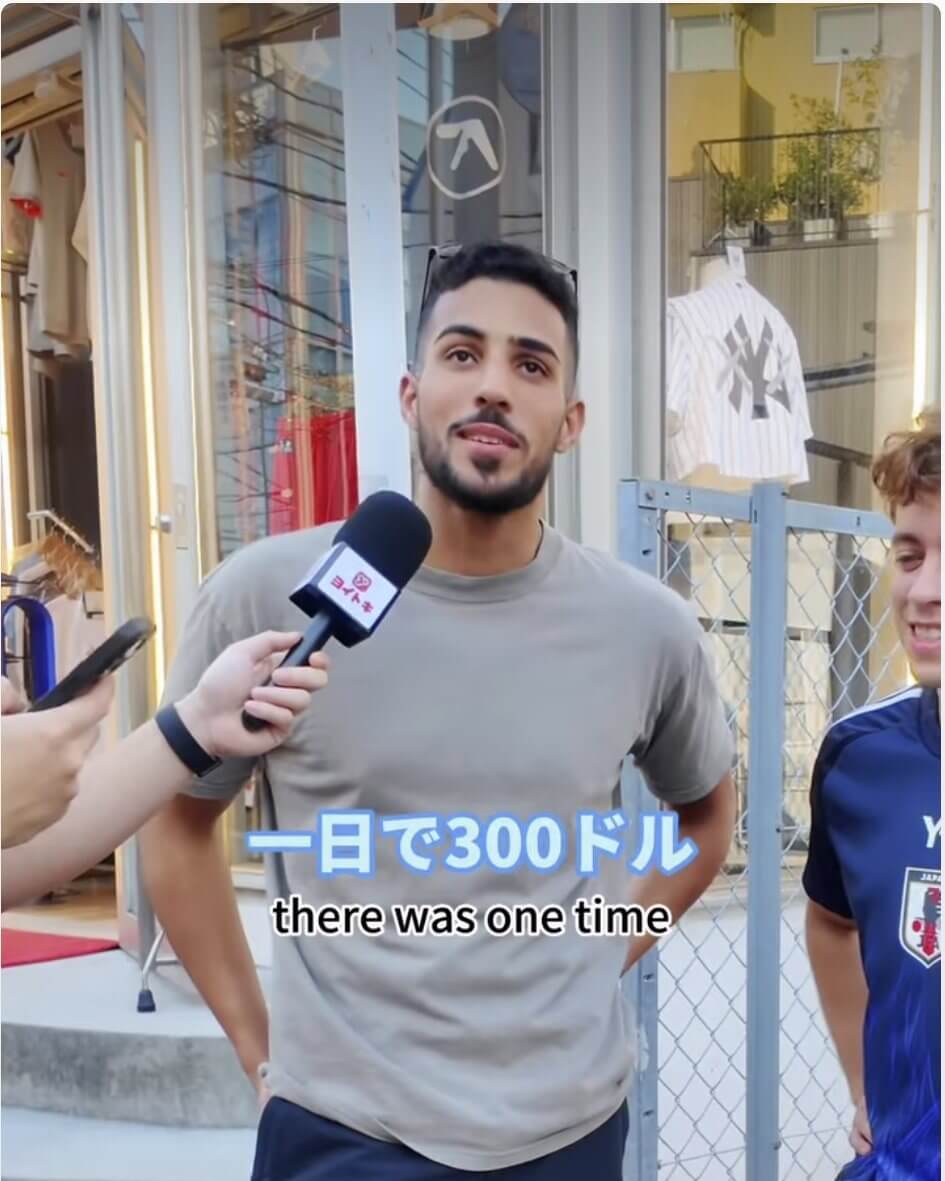
A Yoitoki street interview. We asked two American men studying in Japan about first-date costs, splitting the bill, and how Japanese and American expectations of who pays differ.
'If he paid 50,000 yen, is he entitled to expect something?' 'Should the cost of a date and what you expect from the other person be treated as a package?' That blunt answer is what got us thinking about what counts as normal when it comes to date costs.
Who is this supposed to make happy?
4If you spend the money, spend some thought too.
Posted as written in the Instagram comments, including a range of different reactions.
What stood out in this interview was that the amount paid and what you expect from the other person are two separate things. He had expectations to match the 300 dollars he spent, but the cost of a date is no more than a litmus test for the two people's money sense and values. And just as the sense of PDA, public displays of affection, differs between Japan and the US, what counts as normal for date costs itself varies from culture to culture - that was the other big thing we noticed.
InterviewerWhat is your type?
Man: Tall, white, slim. I like a style that is not too flashy, but not too petite either. She does not have to be American, but yeah, tall and white is what I go for. Oh, in my case, someone shorter than me is more my type. That is about it, really - I tend to like white girls.
InterviewerWhat about Asian girls?
Man: Asian girls are pretty too. Not my type, but I think they are really pretty.
InterviewerWhat is the biggest red flag in a girl?
Man: No private time. I cannot stand it when someone is too clingy, always wanting to be together and not letting you spend time with your friends. I mean, if a guy is a close friend of hers, that is fine by me. Some people are kind, but others just want one thing.
InterviewerAnd if that guy friend were gay?
Man: No, no, no. Gay is still a no, no, no.
InterviewerDo you know anything about dating culture in Japan?
Man: Japan does not have much PDA, you know, public displays of affection. People just do not show affection much. In the States you see everyone kissing in the middle of the street, but here it is a lot more low-key.
InterviewerWhich do you prefer?
Man: I am the affectionate type, but not so much in public. So I guess I like the way it is here. Though I do like the US in a way - I like seeing that kind of affection. Watching people hold hands or kiss makes me feel happy.
InterviewerWhat is the worst date you have ever had?
Man: The worst date. Ugh, let me think - once I spent 300 dollars in a single day. We went bowling, went to a nice restaurant, did go-karting, all sorts of things, and at the end of the night she told me she did not want anything more to do with me, and I was like, this is not going to work. And I had spent all that money. Yeah, I paid for all of it. I thought things were going well, and after paying, nothing happened, boom.
Man: And for me, another time, I came back from a trip, she came over, and we broke up that same night. I was just like, ahh. Yeah, that was probably the worst date.
InterviewerWhy did you break up?
Man: She cheated on me.
InterviewerWhat does the moment a relationship is over feel like?
Man: It is when being together starts to irritate me. Once that shows up, it is probably close to the end.
InterviewerIs there an experience from a past relationship that changed you the most?
Man: The thing I swore I would never do again in a new relationship was being really controlling, being tied down. Being made unable to do anything, having even my daily life run for me, being bent to the other person's will. Honestly awful, just awful. And deliberately trying to make me jealous too. I had that as well, and it never worked at all, because she would just keep trying to make me jealous and I am not the jealous type to begin with. So it was pointless and just toxic, you know.
InterviewerHave you ever used a dating app?
Man: Yeah, I have. It went okay, and sometimes I get a lot of matches, but then the messages never come, ha.
InterviewerIf there were a dating app for people looking for something serious, would you try it?
Man: Yeah, I think that is a good idea, if it is serious. You can meet girls anywhere, really. People always say do not look for a girlfriend at a club, but honestly it depends on the person. Not everyone is there for that.
When the topic is date costs, the comments draw all kinds of reactions. Here the Yoitoki Editorial Team picks two of the most representative and reads them a little more closely. Both are just a short line, but each says something quite important about what counts as normal for date costs. These are simply one set of diverse reactions; they do not represent the official view of the people interviewed or of this site.
Who is this supposed to make happy?
'Who is this supposed to make happy?' It is short, but it hits a sore spot. The video runs on the man's complaint that he paid 300 dollars. That is an honest feeling for him. But the woman who was on the same date, and how she took that money and that time, never appears in the video.
A story about date costs looks completely different depending on whose point of view tells it. When only the payer's side comes to the front, the feelings of the person on the receiving end inevitably slip into the background. This comment quietly raises a hand at exactly that point. It is not angry, and it is not passing judgement. It simply hands the question back: who are you telling this story to?
And that question is a fair one. If you want to think about what is normal for date costs, the picture only comes into focus once you have both voices, the person who paid and the person who received.
The man's frustration and the woman's discomfort are not a matter of one being right and the other wrong. What matters is that both voices exist. Listen to only one and you never notice that your own normal has drifted away from theirs. Asking where our normal actually sits is the first step toward checking that together.
If you spend the money, spend some thought too.
'If you spend the money, spend some thought too.' At first glance it looks like a comment about money. But read it closely and the subject is not how much was paid, it is how much care was shown for the other person. What follows spend the money is spend some thought. In other words, piling up money and treating someone well are two different things.
What the man in the interview remembers is the figure, 300 dollars in one day. How the other person felt that day never appears in his account. To the person on the receiving end, a number like 300 dollars can feel less like a pleasure and more like a burden or an awkwardness. This comment quietly moves the viewpoint from the person who paid to the person who received.
And once it is said, it is obvious. What matters is less which expensive restaurant you pick and more whether the other person is comfortably enjoying themselves, whether there is care in how the money is spent. That is probably what is really being tested by date costs.
Before raising the amount, imagine how comfortable the other person feels. That alone removes a lot of the worry over date costs. If you are unsure, a quick word beforehand - how much shall we budget for today - is the surest and kindest way to choose.
The comments here are just one set of the many reactions viewers shared, each from their own point of view. They do not represent the official view of the Yoitoki Editorial Team and may differ from the position of the people interviewed. They are posted as written in the Instagram comments, including a range of reactions.
These are the independent views of the Yoitoki Editorial Team. They are one way of thinking, not a correct answer that applies to every couple.
The editors have gathered the key points for the five questions above. Tap each one to open it.
Paying more for a date does not mean the other person owes you anything in return. Covering the meal and what happens afterwards are two separate things.
What matters is not just who pays, but agreeing in advance on what amount feels comfortable for both of you. Attitudes to date costs are part of your wider money values in a relationship.
The idea that the man treats on a first date is still around. At the same time, plenty of women want to split from the start, or would rather pay their own share.
In other words, you cannot say that the man paying for everything is simply the norm in Japan. What matters is whether the other person feels the same way.
Not necessarily. Splitting the bill is not only about a lack of interest. People do it to keep things equal, to avoid making the other person feel obliged, or because they want to pay their own share, among other reasons.
Rather than judging someone's feelings from how they pay, look at the whole picture - whether the conversation kept going and whether there was a second date.
Average date costs vary by who was surveyed and by age. In the Zexy survey, the overall average that one person pays on a single date was 4,473 yen.
Men paid 6,411 yen and women 2,420 yen, so men tend to pay more, but that does not mean the higher earner should always pay. What matters is that the amount fits both people's budgets.
Some people find it rude, but for others it is a kindness. In international relationships especially, where a sense of what amounts feel normal can differ, checking beforehand is one form of consideration.
Asking something like 'I am thinking of a place in about this price range, is that okay?' heads off the on-the-day surprise of it costing more than expected.
When a relationship crosses borders, differences in how people think about date costs become easier to see. The man pays, splitting is normal, the higher earner pays more, we decide case by case - none of these is the single right answer.
Even between two Japanese people, values differ, and between two foreigners they differ from person to person. The longer a relationship lasts, the more date costs lead into bigger money questions - travel, rent, living expenses, how you manage money after marriage. That is why who pays for a date is not just a payment method: Japanese paying etiquette on dates is really a way of learning each other's money sense and values.
Tokyo has everything from low-budget dates to the fine-dining restaurants you save for a special occasion. What matters is not that an expensive date is a good date, but picking a place that fits both people's budget and how close you are.
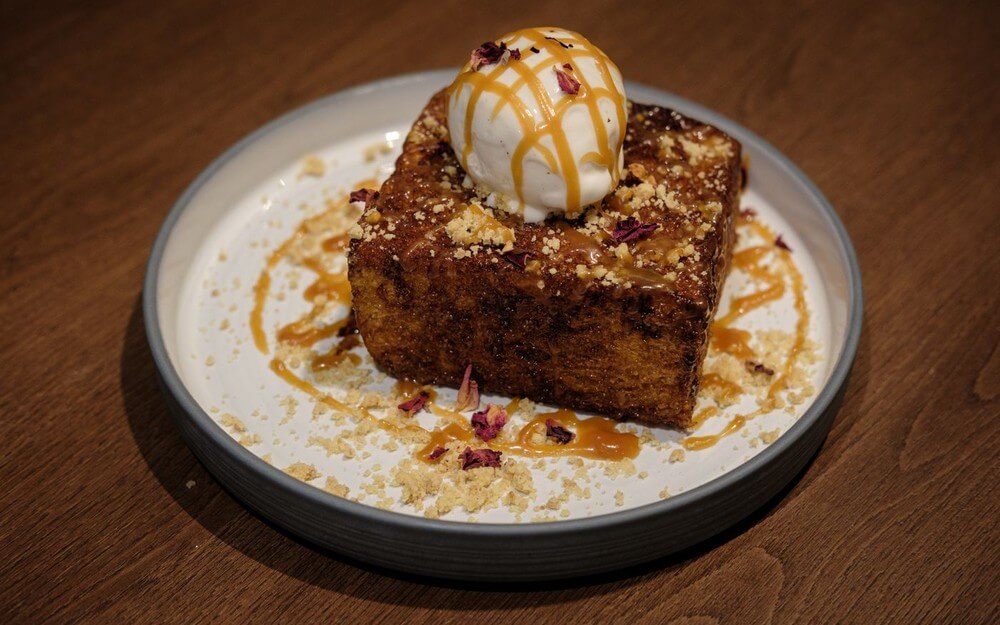

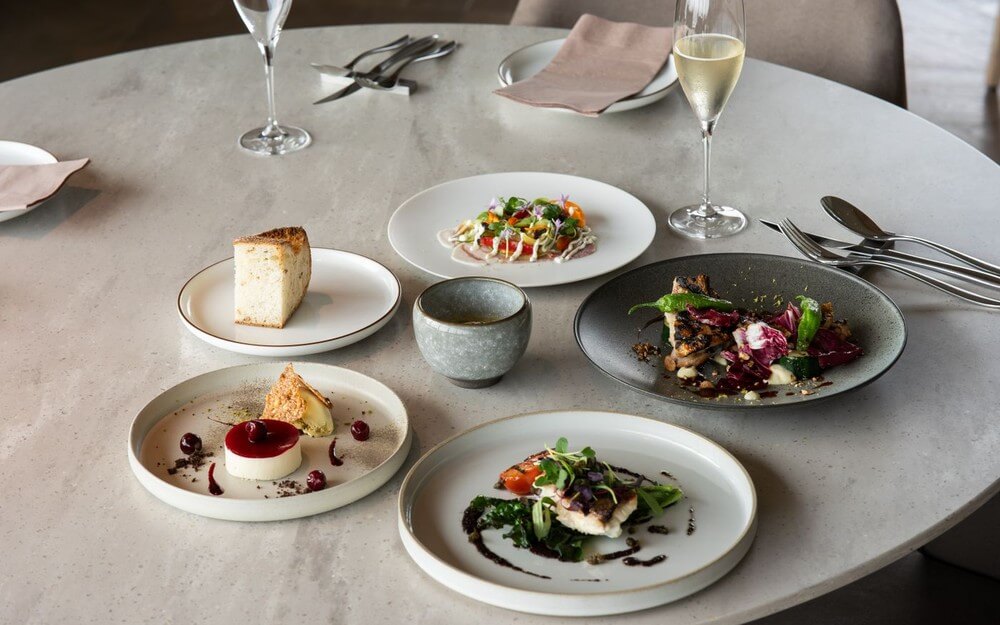
Picking a date spot is one thing; our guide also covers how people meet and the konkatsu scene in Tokyo. Konkatsu is the Japanese term for actively looking for a marriage partner. It breaks down date spots and budgets by area, including Ebisu, Marunouchi and Omotesando, and walks through first-date conversation and how to move things forward.
First-hand interviews with people who grew up in different places, and how they see relationships.
There is no need to feel nervous.
Yoitoki supports you in finding something serious.