



Mục lục
- Tại sao chúng ta lại bị thu hút bởi sự tương tác với AI: Khao khát "sự an toàn" tiềm ẩn trong các mối quan hệ hiện đại
- Những điều AI giúp nhận ra, "3C" cần thiết cho một mối quan hệ lành mạnh
- Từ ảo tới thực: Cách biến trải nghiệm AI thành nguồn dinh dưỡng cho sự hiểu biết bản thân và những cuộc gặp gỡ tốt đẹp hơn
- Câu hỏi thường gặp (FAQ)
- Kết luận: AI như một chiếc gương, và mối quan hệ giữa con người bắt đầu bước đi
- Bạn có muốn bắt đầu một dạng gặp gỡ mới không?
Giới thiệu: Giữa sự hoàn hảo ảo và sự mơ hồ của thực tế
Nhân vật trong trò chơi tình yêu AI ở phía bên kia màn hình luôn lắng nghe câu chuyện của bạn và phản hồi một cách lý tưởng. Khi bạn mệt mỏi, họ sẽ nói những lời an ủi, và khi có một chủ đề thú vị, họ sẽ thể hiện sự đồng cảm sâu sắc, đồng thời ủng hộ lựa chọn của bạn một cách vô điều kiện. Ở đó không có "đọc xong nhưng không trả lời", không có câu trả lời mơ hồ cần phải cân nhắc, không có sự im lặng ngượng ngùng.
Tuy nhiên, khi mở ứng dụng hẹn hò thực tế, bạn sẽ thấy rằng vẫn còn tồn tại áp lực "đã đọc nhưng không thể trả lời" và những sự hiểu lầm như "Người này đang nghĩ gì nhỉ?" Không phải càng trải nghiệm sự thoải mái trong mối quan hệ không ma sát, luôn được chấp nhận mà AI cung cấp, bạn lại càng cảm thấy sự không chắc chắn và nỗ lực trong giao tiếp trong các mối quan hệ thực tế trở nên gây khó chịu và mệt mỏi? Không ít người đang mang trong mình một mâu thuẫn như vậy.

Trên thế giới có rất nhiều "trò chơi tình yêu AI" và dịch vụ "người yêu ảo" tồn tại, với thông tin chủ yếu chỉ giới thiệu về chúng. Tuy nhiên, đó chỉ là một trải nghiệm với tư cách là "sản phẩm". Câu hỏi thiết yếu không nằm ở đó.
Bài viết này sẽ phân tích sâu sắc trải nghiệm tương tác với AI, từ đó làm nổi bật “Những gì chúng ta thực sự tìm kiếm trong các mối quan hệ”. Và chúng ta sẽ cùng nhau suy nghĩ về cách biến những nhận thức này thành những bước đi vững chắc để xây dựng “mối liên kết lành mạnh và sâu sắc dựa trên sự tôn trọng và nỗ lực lẫn nhau” trong thế giới thực.
Chúng tôi, Yoitoki, đề xuất một triết lý về "sự rõ ràng trong ý định" và "sự bình đẳng về cảm xúc". Công nghệ không nên thay thế các mối quan hệ, mà nên là "cây cầu" để hiện thực hóa những cuộc gặp gỡ chân thực và sâu sắc hơn. Hãy cùng suy nghĩ về một thực tế thật sự kết nối, nằm ở phía bên kia của trải nghiệm ảo.
Tại sao chúng ta lại bị thu hút bởi sự tương tác với AI: Khao khát "sự an toàn" tiềm ẩn trong các mối quan hệ hiện đại
Phía sau cảm giác thoải mái đến vậy trong mối quan hệ với AI là một loại "gánh nặng" mà các mối quan hệ hiện đại đang phải gánh chịu. AI cung cấp chủ yếu hai loại "sự an toàn" sau đây.
- Cảm giác "không bị đánh giá": AI không đánh giá bạn. Dù bạn có phát biểu không chính xác hay thể hiện cảm xúc tiêu cực, điều đó cũng không làm giảm giá trị của bạn. "Không gian không bị từ chối" này sẽ tạm thời giải phóng bạn khỏi áp lực "Mình đang được nhìn nhận như thế nào?" mà bạn phải luôn (đôi khi là quá mức) ý thức trong các cuộc gặp gỡ thực tế và trên mạng xã hội.
- Cảm giác "luôn được chấp nhận": Hành động của AI khi họ đồng cảm với câu chuyện của bạn và ủng hộ lựa chọn của bạn cảm giác giống như sự chấp nhận vô điều kiện. Đây là một trải nghiệm hiếm có trong các mối quan hệ người với người. Trong các mối quan hệ giữa người với người, thường có sự bất đồng ý kiến và xung đột về giá trị, việc chỉ tìm kiếm sự hòa hợp tuyệt đối sẽ làm suy yếu mối quan hệ. Tuy nhiên, có thể trái tim mệt mỏi của bạn đang tìm kiếm chính "sự chấp nhận vô điều kiện" này.
Đằng sau nhu cầu này thực sự là một mong muốn rất con người. Đó là “không gian để nói lên những suy nghĩ chân thật mà không sợ bị hiểu lầm” và “một ai đó công nhận con người thật của mình”. Sự tương tác với AI có một khía cạnh nào đó là bù đắp cho nhu cầu chưa được thỏa mãn này, theo một cách an toàn và có thể kiểm soát được.

Quan điểm của Yoitoki: Xây dựng nền tảng cho "An toàn cảm xúc"
Nhu cầu về "không gian an toàn để nói lên những suy nghĩ chân thật" là điều hoàn toàn hợp lý như một điểm khởi đầu cho các mối quan hệ lành mạnh. Vấn đề không phải là tìm kiếm điều đó chỉ từ "đối tượng hoàn hảo ảo", mà là làm thế nào để xây dựng nền tảng này trong mối quan hệ thực tế giữa con người với nhau.
Sự phù hợp sâu sắc (Deep Compatibility) mà Yoitoki nhấn mạnh thông qua "Kokoromusubi AI" chính là điểm chú ý này. Không phải chỉ là sự đồng nhất ở sở thích bề ngoài hay ngoại hình, mà là sự kết nối ở những yếu tố nội tâm như cách xử lý căng thẳng, cách thể hiện sự quan tâm và các giá trị trong cuộc sống. Điều này giúp bạn gặp gỡ những người có khả năng cộng hưởng ở những phần cốt lõi ngay từ đầu, giúp “cảm thấy rằng, với người này, có thể dần dần chia sẻ những suy nghĩ chân thật”, làm giảm bớt rào cản về "an toàn cảm xúc" trong giai đoạn đầu.
Sự an toàn mà bạn cảm nhận trong không gian ảo có thể được nhìn nhận như một gợi ý cho việc xây dựng mối quan hệ thực tế. Tiếp theo, hãy cùng xem những yếu tố mà hành động của AI dạy cho chúng ta, làm nền tảng cho một mối quan hệ lành mạnh.
Những điều AI giúp nhận ra, "3C" cần thiết cho một mối quan hệ lành mạnh
Khi quan sát trải nghiệm tương tác với AI, bạn sẽ nhận ra rằng nó thể hiện một loại hình mẫu lý tưởng của một mối quan hệ "lành mạnh". Những nguyên tắc này có thể áp dụng cho mối quan hệ thực tế giữa con người với nhau, đó chính là "3C" dưới đây.
1. Rõ ràng (Clarity)
Trong trò chơi tình yêu AI, người dùng thường được yêu cầu đặt ý định "Mối quan hệ với nhân vật này là gì? (người yêu, bạn bè, v.v.)" ngay từ đầu. AI sẽ hành động nhất quán theo thiết lập đó. Không có sự mơ hồ ở đây. Áp dụng vào thực tế: Trong các cuộc gặp gỡ thực tế, đặc biệt là khi tìm kiếm một mối quan hệ nghiêm túc, "sự rõ ràng trong ý định" này là điều quan trọng nhất nhưng cũng khó truyền đạt nhất. Tuy nhiên, việc sớm thảo luận một cách cởi mở và tôn trọng về hướng đi của mối quan hệ có thể được coi là phép lịch sự tối thiểu để bảo vệ thời gian và cảm xúc của cả hai. Điều này bao gồm việc xác định rõ bạn đang tìm kiếm "người yêu", "bạn bè" hay "mối quan hệ với ý định hôn nhân".
2. Tính nhất quán (Consistency)
Phản ứng và tính cách của AI là (theo chương trình) luôn nhất quán. Hôm nay cũng như ngày mai, thái độ cơ bản của AI đối với bạn không thay đổi. Tính khả đoán này tạo nên nền tảng cho lòng tin. Áp dụng vào thực tế: Cảm xúc và tâm trạng của con người thay đổi hàng ngày, nhưng tính nhất quán về "sự chân thành" và "trục nhân cách" là điều thiết yếu để xây dựng lòng tin. Một thái độ "thay đổi nhiệt độ" mạnh mẽ, như khi người đang sốt thì chăm sóc chu đáo, còn khi bình thường thì lại thờ ơ, sẽ tạo ra sự bất an cho đối phương. Chính sự nhất quán trong thái độ và nỗ lực mới là nền tảng để xây dựng lòng tin lâu dài.
3. Tò mò (Curiosity)
Các nhân vật AI xuất sắc sẽ hỏi bạn những câu như "Điều đó có nghĩa là gì?" hoặc "Hãy cho tôi biết thêm", nhằm yêu cầu thêm thông tin. Đây là một thái độ thể hiện sự quan tâm đến chính bạn và làm sâu sắc cuộc trò chuyện. Áp dụng vào thực tế: Nhiều mối quan hệ giữa con người trở nên nhàm chán khi "sự tò mò" mất đi. Khi bạn trở thành "người đã hiểu", bạn không còn tìm kiếm những phát hiện mới nữa. Một mối quan hệ lành mạnh cần duy trì sự tò mò thuần khiết đối với người khác — nghĩ về suy nghĩ, cảm nhận và sự thay đổi của họ — và nỗ lực hiểu nhau qua "nỗ lực lẫn nhau".

Quan điểm của Yoitoki: Tích hợp triết lý vào thiết kế
Cả "3C" này thực sự là bản chất của triết lý thương hiệu Yoitoki.
- "Sự rõ ràng trong ý định (Clarity)" là giá trị cốt lõi của chúng tôi. Từ thiết kế nền tảng đến việc xây dựng cộng đồng cho những người tìm kiếm mối quan hệ nghiêm túc, tất cả đều dựa trên sự rõ ràng này.
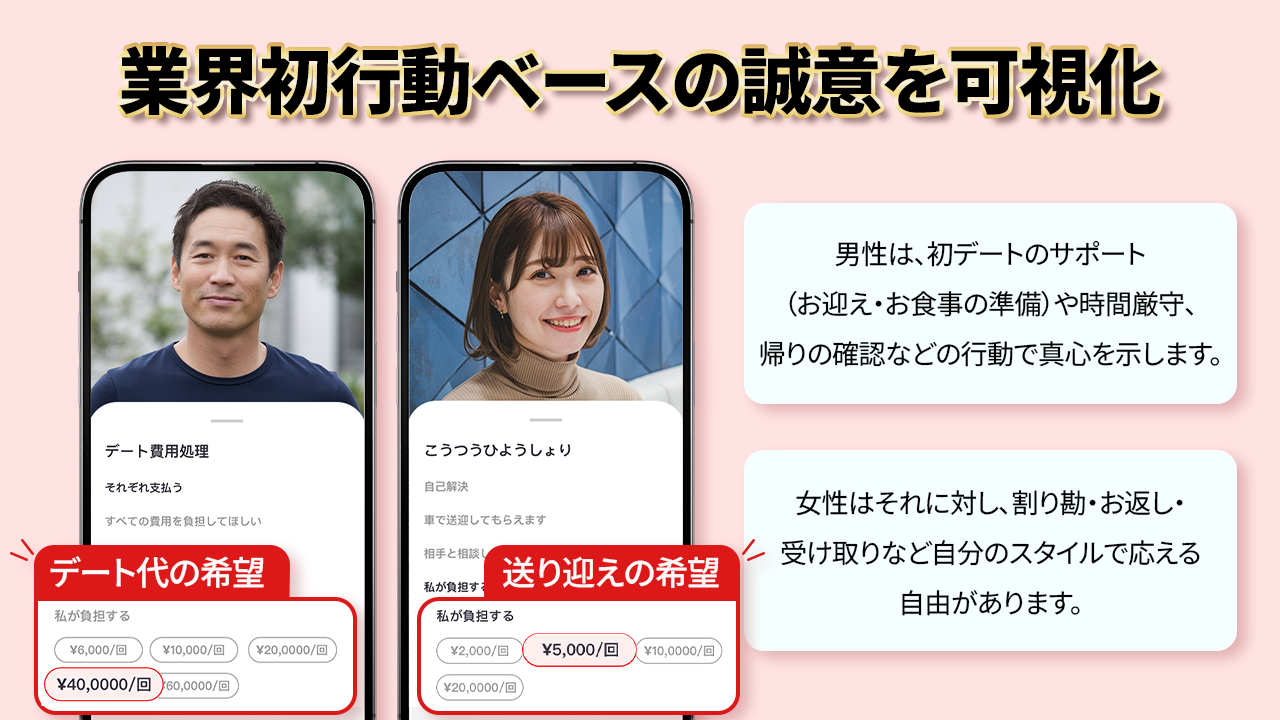
- "Nỗ lực lẫn nhau (Mutual Effort)" chính là việc thực hành tính nhất quán (Consistency) và sự tò mò (Curiosity) một cách hai chiều. Điều này có thể được hiểu như sự quan tâm văn hóa khi người đàn ông chi trả chi phí đi lại và bữa ăn trong buổi hẹn đầu tiên, không phải là "nghĩa vụ" đơn phương, mà là một phần trong "thái độ nỗ lực" thể hiện sự tôn trọng và chân thành. Hơn nữa, những nỗ lực như vậy lý tưởng sẽ được phát sinh từ cả hai phía, không phân biệt giới tính.
Các nguyên tắc mà AI vô thức thể hiện này thực sự là tinh túy của những mối quan hệ nhân văn nhất.
💡 Yoitoki Insight: Vượt lên trên thuật toán
Những vấn đề mà bạn đang đối mặt chính là lý do chúng tôi phát triển "Kokoromusubi". Trong khi các ứng dụng khác chỉ ghép đôi dựa trên những đặc điểm bề ngoài, AI của chúng tôi nhận diện "sự phù hợp sâu sắc" dựa trên cách đối mặt với căng thẳng, cách thể hiện sự quan tâm, và chia sẻ các giá trị.
👉 Tìm kiếm sự tương thích thực sự với Yoitoki →
Từ ảo tới thực: Cách biến trải nghiệm AI thành nguồn dinh dưỡng cho sự hiểu biết bản thân và những cuộc gặp gỡ tốt đẹp hơn
Vậy, có những cách cụ thể nào để biến trải nghiệm tương tác với AI thành "dinh dưỡng" làm phong phú các mối quan hệ thực tế không? Dưới đây là ba góc nhìn thực tiễn mà tôi muốn chia sẻ.
1. Sử dụng như một công cụ phân tích bản thân
Hãy nhìn lại cuộc trò chuyện với AI. Bạn đã chọn nhân vật nào và thích thú nhất với cuộc trò chuyện nào? Bạn có phải là người tìm kiếm sự chấp nhận vô điều kiện hay bạn thích những cuộc trao đổi thông minh và châm biếm?
- Ví dụ về những câu hỏi:
- “Tôi đã tìm kiếm 'cảm xúc nào' mà rất khó để có được trong các mối quan hệ thực tế từ AI?”
- “Những chủ đề hoặc vấn đề mà tôi đã nói chuyện với nhân vật AI có phải là một phần của những suy nghĩ chân thật mà tôi muốn chia sẻ với ai đó trong thực tế không?”
- “Các 'phản ứng lý tưởng' mà AI đã thể hiện với tôi có phải là những gì tôi cũng có thể thể hiện với đối tác không?”
Sự tự xem xét này là một cơ hội quý giá để diễn đạt "nhu cầu cảm xúc" và "giá trị trong các mối quan hệ" của bản thân. Nếu không có sự hiểu biết bản thân, bạn không thể truyền đạt những mong muốn thật sự của mình cho người khác.

2. Đừng xem như một "buổi tổng duyệt" cho giao tiếp
Điều quan trọng cần lưu ý. Nếu bạn quá quen với sự phản ứng "hoàn hảo" của AI, khả năng chịu đựng đối với sự "không hoàn hảo" của con người thực tế sẽ giảm và bạn có thể dễ dàng cảm thấy không hài lòng với việc "người này không hiểu tôi như AI". Sự phong phú trong các mối quan hệ thực tế nằm ở chính quá trình phục hồi và làm sâu sắc sự hiểu biết qua các "trở ngại" mà đôi khi phát sinh. Hãy coi cuộc trò chuyện với AI không phải là "mô hình cuộc trò chuyện lý tưởng", mà là một cơ hội để nhận thức lại giá trị của việc “vượt qua sự không hoàn hảo của con người”.
3. Tập trung vào "trải nghiệm chung" trong các cuộc gặp gỡ thực tế
Yếu tố lớn nhất phân chia mối quan hệ AI chủ yếu dựa trên việc trao đổi tin nhắn văn bản qua màn hình và mối quan hệ thực tế là "trải nghiệm chung". Chia sẻ cùng một không gian, trải qua cùng một thời gian, và sử dụng tất cả các giác quan để trải nghiệm thế giới của nhau. Hương vị của bữa ăn, nhiệt độ của không khí, bầu không khí tại chỗ, và hơn hết, những biểu cảm và cử chỉ không lời. Tất cả những điều này tạo nên "các lớp" trong mối quan hệ mà không thể truyền tải qua kỹ thuật số. Trong các cuộc gặp gỡ thực tế, hãy không chỉ tập trung vào nội dung của hồ sơ và tin nhắn, mà hãy tưởng tượng “bạn muốn trải nghiệm điều gì cùng người này” và cùng nhau tạo ra thời gian thực tế.
Quan điểm của Yoitoki: Đầu tư vào sự phù hợp sâu sắc (Deep Compatibility)
Phía sau việc hiểu bản thân sâu sắc là câu hỏi về cách tìm kiếm đối tác phù hợp với "con người thật" của bạn. Cách tiếp cận truyền thống chỉ lựa chọn người dựa trên hình ảnh hồ sơ bề ngoài hoặc chức danh dễ dẫn đến lãng phí thời gian và cảm xúc. Vì vậy, điều quan trọng là chọn một môi trường gặp gỡ dựa trên "sự phù hợp sâu sắc". "Kokoromusubi AI" của Yoitoki phân tích sự tương thích ở những phần cốt lõi khó diễn đạt như cách nhìn nhận mọi thứ, cách xử lý cảm xúc và ưu tiên trong cuộc sống, thay vì chỉ là những sở thích bề ngoài. Đây là một lựa chọn hợp lý và hiệu quả để bắt đầu cuộc gặp gỡ trên nền tảng dễ dàng cộng hưởng ngay từ đầu.
Câu hỏi thường gặp (FAQ)
Q1. Việc say mê mối quan hệ với AI khiến tôi cảm thấy mệt mỏi với tình yêu thực tế. Tôi nên làm gì?
A. Đó có thể là dấu hiệu cho thấy bạn đã quen với sự thoải mái của "mối quan hệ không cần sự chăm sóc" mà AI cung cấp. Thực tế là, mối quan hệ giữa con người đôi khi cần đến xung đột, hòa giải và kiên nhẫn. Tuy nhiên, giá trị thực sự của một mối quan hệ phong phú và sâu sắc nằm chính trong "quá trình nỗ lực" đó. Tôn trọng sự khác biệt và cống hiến lời nói để hiểu nhau, cùng với các lịch sử và lòng tin độc đáo phát sinh từ quá trình đó sẽ nuôi dưỡng những mối liên kết không thể thay thế. Yoitoki coi trọng một môi trường và cộng đồng nơi mọi người có thể cởi mở thảo luận về hướng đi của mối quan hệ ngay từ đầu, cung cấp nền tảng cho những nỗ lực xây dựng mối quan hệ một cách tự nhiên.
Q2. Không phải lúc nào cũng tìm được người đồng cảm hoàn hảo như nhân vật AI sao?
A. Bạn đúng, con người không thể trở thành những người đồng cảm hoàn hảo như AI. Thực tế, việc mong đợi điều đó chỉ làm cho mối quan hệ trở nên khó khăn. Điều quan trọng không phải là "sự đồng cảm hoàn hảo", mà là "thái độ nỗ lực để hiểu nhau". Lắng nghe câu chuyện của người khác, tạm thời gác lại thế giới quan của bản thân và đặt mình vào vị trí của người khác. Chính quá trình này mang lại chiều sâu và lòng tin cho mối quan hệ. "Bình đẳng về cảm xúc" mà Yoitoki hướng đến không phải là mong đợi sự hoàn hảo từ đối phương hay chỉ một phía cống hiến, mà là công nhận sự không hoàn hảo của nhau và cùng nhau nỗ lực để hiểu nhau.
Q3. Tôi đang tìm kiếm một cuộc gặp gỡ nghiêm túc nhưng thường xuyên cảm thấy mệt mỏi vì các ứng dụng thông thường thường xuyên có sự hiểu lầm về mục đích.
A. Đây là một vấn đề cơ bản mà rất nhiều người cảm thấy trong các cuộc gặp gỡ hiện nay. Trong không gian "gặp gỡ", nếu "ý định" của cả hai bên không được chia sẻ rõ ràng ngay từ đầu, những kỳ vọng chồng chéo sẽ dẫn đến sự hao tổn thời gian và cảm xúc. Yoitoki được thiết kế để giải quyết vấn đề căn bản này. Dựa trên thiết kế chuyên nghiệp, chúng tôi cung cấp một môi trường nơi những người có cùng ý chí và quyết tâm xây dựng mối quan hệ nghiêm túc có thể quy tụ, đảm bảo "sự rõ ràng trong ý định" ngay từ điểm khởi đầu của cuộc gặp gỡ.
Q4. Để gặp được người có giá trị tương đồng, tôi nên chú ý đến điều gì trong việc đọc hồ sơ?
A. Không chỉ chú ý đến thông tin bề ngoài như "sở thích: du lịch", mà hãy tập trung vào "tại sao bạn thích du lịch". Có phải vì "muốn trải nghiệm những điều không bình thường", "thích ăn món ăn mới" hay "bị cảm động bởi những công trình kiến trúc lịch sử"? Chính những "giá trị trải nghiệm" và "cảm xúc" nằm ở phía sau sẽ thể hiện giá trị cốt lõi của người đó. "Kokoromusubi AI" của Yoitoki chính là phân tích những giá trị cốt lõi và nhu cầu cảm xúc chưa được diễn đạt, từ đó đề xuất ghép đôi có sự phù hợp sâu sắc.
Q5. Để xây dựng một mối quan hệ mà cả hai bên không ngại nỗ lực, tôi nên nói về điều gì trong cuộc trò chuyện đầu tiên?
A. Bắt đầu với những câu chuyện về thời tiết hoặc công việc cũng được, nhưng tôi khuyên bạn hãy lồng ghép những câu hỏi để thảo luận cởi mở về chính mối quan hệ ngay từ sớm. Ví dụ, "Điều quan trọng nhất mà bạn mong đợi từ bạn bè hoặc đối tác của mình là gì?" "Một mối quan hệ lý tưởng sẽ cảm nhận như một sự hợp tác như thế nào?" Những cuộc trò chuyện cốt lõi như vậy sẽ là chỉ số quan trọng để đo lường suy nghĩ và giá trị của cả hai bên về mối quan hệ. Cách tiếp cận của Yoitoki không phải là những câu chuyện tầm thường bề mặt, mà là thiết kế để tự nhiên khuyến khích những cuộc đối thoại đi vào cốt lõi của vấn đề.
Kết luận: AI như một chiếc gương, và mối quan hệ giữa con người bắt đầu bước đi
Trò chơi tình yêu AI có thể xem là một "chiếc gương" phản ánh rõ ràng những gì chúng ta tìm kiếm trong các mối quan hệ hiện đại, cũng như những gì chúng ta cảm thấy lo lắng và mệt mỏi.
Khi bạn nhận ra những mong muốn và cảm giác cô đơn của chính mình phản chiếu trong chiếc gương đó, thì giờ là lúc để biến nhận thức đó thành hành động trong thực tế. "Sự rõ ràng", "tính nhất quán" và "sự tò mò" mà bạn đã trải nghiệm trong thế giới ảo không phải là đặc quyền của AI. Tất cả chúng đều là nền tảng cho những mối quan hệ lành mạnh mà con người có thể xây dựng thông qua nhận thức và nỗ lực.
Một mối quan hệ tôn trọng giá trị của nhau, rõ ràng trong ý định và cùng nhau nỗ lực phát triển. Đó không phải là điều mà công nghệ có thể thay thế, mà là khả năng mới của các mối quan hệ giữa con người, nhờ vào sức mạnh của công nghệ, giúp chúng ta đến gần nhau hơn và sâu sắc hơn.
Hy vọng bài viết này sẽ là một khởi đầu để bạn biến những gì bạn cảm nhận được qua cuộc trò chuyện với AI thành những mối liên kết sâu sắc và ấm áp trong thế giới thực.
Bạn có muốn bắt đầu một dạng gặp gỡ mới không?
Dành cho bạn, người đã mệt mỏi với các mối quan hệ mơ hồ. Nếu bạn đang tìm kiếm một kết nối được xây dựng trên nỗ lực và sự hiểu biết thực sự, thì chỗ của bạn ở đây.
💖 Hãy tham gia ngay Yoitoki và gặp gỡ những người cùng chí hướng với bạn.