



Dành cho bạn đang ghen tị với bạn tình|Thoát khỏi căng thẳng của sự mơ hồ và tìm ra con đường đến mối quan hệ bình đẳng
“Mặc dù là bạn tình, nhưng tôi không thể không lo lắng về những người khác giới xuất hiện trên SNS của đối phương” “Dù đã quyết định là mối quan hệ nhẹ nhàng, nhưng khi không liên lạc, tôi lại trở nên lo lắng…” Bạn có bao giờ trải qua cảm giác “cảm xúc mâu thuẫn” như vậy không? Ghen tị với bạn tình là một cảm giác mà nhiều người gặp phải, mặc dù nó khó nhận diện và thường trở thành nỗi lo mà chúng ta phải chịu đựng một mình.
Nhiều lời khuyên về tình yêu thường gói gọn cảm xúc này trong “chỉ là sự chiếm hữu” hoặc kết luận rằng “đó là bằng chứng cho việc thật sự yêu thương”. Tuy nhiên, trên nền tảng mơ hồ của mối quan hệ bạn tình, sự giải thích đơn giản đó không thể giải quyết được “sự mơ hồ của chính mối quan hệ” mà chính là nguồn gốc của vấn đề. Việc tìm ra con đường không làm tổn thương đối phương và không làm mệt mỏi bản thân là rất khó khăn.
Trong bài viết này, chúng ta sẽ nhìn nhận “sự mơ hồ” này như một cơ hội quý giá để bạn xem xét lại những mối quan hệ mà bạn thực sự khao khát. Dựa trên sự hiểu biết sâu sắc về bản thân và các nguyên tắc của một mối quan hệ đối tác bình đẳng, chúng ta hãy cùng suy nghĩ về cách đối mặt với cảm xúc này và những bước tiếp theo cần phải thực hiện. Chúng tôi sẽ giới thiệu đến bạn con đường để chuyển từ “các phương pháp đối phó bề ngoài” sang “mối quan hệ có ý thức và tôn trọng lẫn nhau”.

Mục lục
- “Tại sao lại ghen tị?” Cảm xúc đó là SOS từ một mối quan hệ mơ hồ
- Lựa chọn cập nhật mối quan hệ thay vì kiểm soát cảm xúc
- Hình thức của một mối quan hệ đối tác lành mạnh vượt xa “sự ghen tị”
- Câu hỏi thường gặp (FAQ)
- Tóm tắt: Thoát khỏi sự mơ hồ là bước đầu tiên đến kết nối thực sự
- Bắt đầu một hình thức gặp gỡ mới, bạn có muốn không?
“Tại sao lại ghen tị?” Cảm xúc đó là SOS từ một mối quan hệ mơ hồ
Dù bạn cố gắng thuyết phục bản thân bằng câu “Vì tôi là bạn tình”, nhưng cảm giác ghen tị vẫn không thể bị bỏ qua. Trước khi phủ nhận cảm xúc này là “không tốt” hoặc “yếu đuối”, hãy bình tĩnh phân tích xem nó đang muốn truyền đạt điều gì. Cảm xúc chính là tiếng nói bên trong của bạn và thường thì, nó thông báo rằng cấu trúc mối quan hệ hiện tại không phù hợp với những mong muốn sâu sắc của bạn.
Sự nhầm lẫn giữa “sự chiếm hữu” và “tình cảm”, và ảo giác về sự thân mật
Khi đào sâu vào sự ghen tị trong mối quan hệ bạn tình, thường thì bạn sẽ nhận thấy “tình cảm” và “sự chiếm hữu” đang hòa quyện vào nhau. Nó không phải là “thích” như một cảm xúc yêu đương, mà là “tôi muốn nhận thức người này như một cá nhân đặc biệt (hoặc muốn được nhận thức như vậy)”, cùng với nhu cầu công nhận và ảo giác về “sợi dây đặc biệt” phát sinh từ sự thân mật cơ thể.
Trong tâm lý học, việc tiếp xúc cơ thể thân mật sẽ kích thích sự tiết ra oxytocin (còn được gọi là hormone tình yêu), từ đó gia tăng sự kết nối tâm lý và cảm giác tin cậy. Trong quan hệ bạn tình, phản ứng sinh lý này xảy ra mà không có những cam kết yêu đương. Kết quả là, có sự không hòa hợp nhận thức “gần gũi về thể xác nhưng xa cách trong mối quan hệ”, và điều này thể hiện qua sự lo lắng hoặc ghen tị. Tình trạng này cho thấy chỉ có sự thân mật mà không có sự hiểu biết hoặc chia sẻ giá trị thực sự đối với nhau. “Sự tương thích sâu sắc” mà Yoitoki đề xuất không phải là sự thân mật một chiều như vậy, mà là sự ổn định được xây dựng trên sự hiểu biết đa chiều.
Sự lo lắng do chính cấu trúc mối quan hệ tạo ra: Sự khác biệt trong giao tiếp và kỳ vọng
Vấn đề cốt lõi của mối quan hệ bạn tình nằm ở “việc thiếu định nghĩa mối quan hệ”. Trong thời đại hiện nay, với nền văn hóa “swipe” qua các ứng dụng hẹn hò, rào cản để gặp gỡ đã giảm, và việc “bắt đầu mối quan hệ” trở nên dễ dàng hơn. Tuy nhiên, thường thì cả hai bên không có sự chia sẻ rõ ràng về mục đích của mối quan hệ và các quy tắc giao tiếp.
- Thiếu giao tiếp: “Vì là bạn tình nên không cần phải bàn cãi chi tiết” là một thỏa thuận ngầm, thực tế đã lấy đi cơ hội điều chỉnh kỳ vọng của cả hai bên. Tần suất liên lạc, cách thức tương tác ngoài các cuộc hẹn, cách suy nghĩ về các mối quan hệ với những người khác giới… Khi những vấn đề này bị bỏ qua trong sự “mơ hồ”, những nghi ngờ nhỏ sẽ dần trở thành những lo lắng lớn.
- Khác biệt trong kỳ vọng ngầm: Một bên cho rằng “đó là người có thể hẹn hò dễ dàng”, trong khi bên kia lại kỳ vọng rằng “có thể phát triển thành một mối quan hệ nghiêm túc trong tương lai”. Sự khác biệt này sẽ ngày càng rõ ràng khi mối quan hệ phát triển, làm gia tăng cảm giác bất an (tức là ghen tị) cho bên có kỳ vọng lớn hơn.
Phân tích này làm nổi bật tầm quan trọng của “gặp gỡ có chủ đích”. Ngay từ đầu mối quan hệ, nếu không có một không gian để mở lòng bàn bạc về những gì mỗi bên mong muốn và kiểu tương tác mà họ tìm kiếm, căng thẳng kiểu này sẽ không thể tránh khỏi. Yoitoki hướng đến việc làm rõ “ý định” từ giai đoạn trước khi ghép đôi và cung cấp một nền tảng nơi có thể điều chỉnh giá trị chung.
Danh sách tự kiểm tra: Gốc rễ của “ghen tị” của bạn là gì?
Bước đầu tiên để sắp xếp cảm xúc là tự suy ngẫm. Hãy thành thực trả lời những câu hỏi dưới đây.
- Khi bạn cảm thấy ghen tị, điều khiến bạn đau lòng nhất là “việc đối phương ở bên người khác” hay là “việc bạn cảm thấy không được chọn/không được trân trọng”?
- Bạn đã từng có cuộc trò chuyện nghiêm túc về tình yêu và tương lai với người này chưa? Nội dung đó có phù hợp với kỳ vọng của cả hai không?
- Cảm giác ghen tị chỉ gia tăng khi mối quan hệ với đối phương không ổn định hay cũng mạnh mẽ khi bạn không hài lòng với công việc hoặc cuộc sống của mình?
- Nếu hôm nay đối phương nói rõ rằng “Chúng ta sẽ tiếp tục trong mối quan hệ bạn tình”, bạn có thể chấp nhận không? Hay là bạn cảm thấy cô đơn hoặc không đủ thỏa mãn?
Các câu hỏi này sẽ giúp bạn phân biệt xem cảm xúc của mình bắt nguồn từ “cảm xúc yêu thương mạnh mẽ dành cho đối phương” hay từ “sự bất mãn với mối quan hệ mơ hồ” hoặc “nỗi cô đơn và nhu cầu công nhận của chính bản thân”. Trong trường hợp sau, giải pháp không phải là cố gắng thay đổi đối phương mà là xem xét lại cấu trúc mối quan hệ hoặc củng cố nền tảng của chính bạn.

Lựa chọn cập nhật mối quan hệ thay vì kiểm soát cảm xúc
Các phương pháp đối phó với ghen tị như “chịu đựng” hoặc “xao nhãng” là những cách tiếp cận thụ động, và lâu dài có thể dẫn đến sự tiêu hao tâm trí. Điều quan trọng là không đè nén cảm xúc, mà thay vào đó, hãy xem xét việc “cập nhật” mối quan hệ hiện tại một cách chủ động dựa trên cảm xúc đó. Đây là thái độ trưởng thành, tôn trọng cả bản thân và đối phương.
Lựa chọn A: Đối thoại để làm rõ “ý định” của mối quan hệ
Nếu bạn cảm thấy có tiềm năng trong mối quan hệ này và muốn làm cho nó trở nên chắc chắn hơn, thì có giá trị khi bạn thử thách bản thân để chia sẻ chân thành mà không sợ rủi ro. Chìa khóa là không “đổ lỗi” mà là “chia sẻ cảm xúc của chính mình”.
- Truyền đạt bằng “tin nhắn tôi”: Thay vì nói “Tôi cảm thấy lo lắng khi thấy bạn gặp người khác” (đổ lỗi), hãy nói “Tôi có thể cảm thấy lo lắng đôi khi nếu mối quan hệ của chúng ta vẫn mơ hồ” (chia sẻ sự thật và cảm xúc).
- Phân tách thực tế và hy vọng: Hãy đề xuất “Gần đây, tôi cảm thấy chúng ta không có cơ hội để bàn về cách chúng ta nghĩ về nhau. Nếu có thể, có thể bạn sẽ cùng tôi bàn bạc một cách thẳng thắn về cách chúng ta sẽ tiếp tục trong tương lai?” như một lời mời đối thoại thay vì phê phán.
Mục đích của cuộc đối thoại này không phải để trói buộc đối phương, mà là khám phá khả năng “nỗ lực chung” (Mutual Effort). Nếu đối phương lắng nghe chân thành cảm xúc của bạn và cũng chia sẻ ý kiến của mình, thì có thể bạn sẽ thấy một nền tảng chung để tiến tới giai đoạn tiếp theo của mối quan hệ. Ngược lại, nếu họ tránh né cuộc đối thoại hoặc thể hiện thái độ coi thường cảm xúc của bạn, điều này sẽ trở thành dữ liệu quý giá cho giới hạn của mối quan hệ này. Yoitoki hướng đến việc xây dựng các mối quan hệ mà ngay cả những cảm xúc khó khăn như vậy cũng có thể được thảo luận một cách tôn trọng. Đó là môi trường dễ dàng phát triển cho những người đánh giá cao “giao tiếp cởi mở” ngay từ đầu.
Lựa chọn B: Cách tạo khoảng cách lành mạnh - “kỳ nghỉ chiến lược”
Nếu cuộc đối thoại là khó khăn hoặc nếu bạn quyết định rằng việc duy trì hiện trạng là tốt nhất, thì vẫn có những lựa chọn khác ngoài việc “chịu đựng”. Đó là “kỳ nghỉ chiến lược”. Đây không phải chỉ là một cuộc chiến lạnh hoặc trốn tránh, mà là một khoảng thời gian có chủ đích để tạo khoảng cách khỏi mối quan hệ và đối mặt với bản thân.
- Phương pháp: “Gần đây tôi muốn có thời gian để suy ngẫm về công việc và cuộc sống riêng của mình. Có thể cho tôi một chút thời gian để giữ khoảng cách không?” Hãy truyền đạt điều này với lòng tôn trọng đối với đối phương. Hãy xác định khoảng thời gian rõ ràng (ví dụ: 1 tháng) và tự đặt ra quy tắc rằng trong thời gian đó sẽ không liên lạc hoặc gặp gỡ.
- Đầu tư vào bản thân trong thời gian nghỉ: Sử dụng thời gian này để sắp xếp cảm xúc của bạn và khám phá những gì bạn thực sự khao khát. Bắt đầu sở thích mới, giao tiếp sâu sắc với bạn bè và suy nghĩ về sự nghiệp của bạn. Bạn sẽ cảm nhận được rằng cảm giác ghen tị giảm đi. Đó là quá trình mà sự thỏa mãn của bạn không còn phụ thuộc vào một người cụ thể mà mở rộng đến bản thân và các mối quan hệ rộng lớn hơn.
Lựa chọn này là hành động thực hành “công bằng về cảm xúc” (Emotional Equality) đối với chính bản thân bạn. Đó là bước đầu tiên để lấy lại quyền kiểm soát cảm xúc và cuộc sống của bạn từ tình trạng thường xuyên vui buồn theo hành động của đối phương.
Lựa chọn C: Quyết định cao cả về việc kết thúc mối quan hệ
Nếu bạn cảm thấy rằng cuộc đối thoại và khoảng cách không còn bảo vệ được sự bình yên và phẩm giá trong tâm hồn bạn, thì “kết thúc mối quan hệ” không phải là thất bại mà là một quyết định can đảm đặt bản thân lên hàng đầu. Nói lời tạm biệt với những mối quan hệ tiêu hao sức lực là lựa chọn để hướng thời gian và cảm xúc quý giá của bạn đến những mối quan hệ lành mạnh hơn trong tương lai và sự phát triển bản thân.
- Cách kết thúc: Hãy nói rõ ràng và chân thành. “Cảm ơn bạn vì những khoảnh khắc vui vẻ trước đây. Nhưng hiện tại, tôi muốn giải phóng bản thân khỏi sự không ổn định mà mối quan hệ này mang lại. Vì lợi ích của cả hai chúng ta, hãy để tôi tạm dừng ở đây.”
- Đặt giá trị của chính mình lên hàng đầu: Quyết định này dựa trên giá trị cốt lõi của bạn, rằng “mối quan hệ mơ hồ và không ổn định, dù có những khoảnh khắc vui vẻ, cũng không bền vững với tôi”. Nhận thức này sẽ trở thành hướng dẫn mạnh mẽ cho việc lựa chọn bạn đời trong tương lai.
Quyết định kết thúc một mối quan hệ là một điểm chuyển tiếp đến những khởi đầu mới. Nền tảng như Yoitoki là nơi tập hợp những người cũng tìm kiếm “mối quan hệ có ý định”. Nếu bạn cảm thấy mệt mỏi với những kết nối bề mặt, thì người bạn có thể gặp tiếp theo có thể là người cũng đánh giá cao sự tôn trọng lẫn nhau và ý định rõ ràng ngay từ đầu.
💡 Yoitoki: Khám phá vượt ra ngoài thuật toán
Những khó khăn mà bạn gặp phải chính là lý do mà chúng tôi phát triển “Kokoromusubi”. Khi các ứng dụng khác ghép đôi dựa trên bề ngoài, AI của chúng tôi nhận diện những “tương thích sâu sắc” dựa trên cách thức bạn đối mặt với căng thẳng, thể hiện sự quan tâm và chia sẻ giá trị.
👉 Tìm kiếm sự tương thích thực sự với Yoitoki →

Hình thức của một mối quan hệ đối tác lành mạnh vượt xa “sự ghen tị”
Trải nghiệm tiêu cực ghen tị với bạn tình trong mối quan hệ bạn tình có thể chuyển hóa thành “bản thiết kế” quý giá để thiết kế mối quan hệ lý tưởng trong tương lai. Nếu bạn lùi lại và suy ngẫm về “những điều mà bạn không thể chịu đựng”, thì “những gì bạn thực sự mong muốn” sẽ lần lượt hiện lên.
3 điều kiện để có một “mối quan hệ an toàn”
Hãy cụ thể hóa những điều kiện của một mối quan hệ đối tác lành mạnh nằm ở phía đối diện với những lo lắng bạn đã cảm thấy trong mối quan hệ bạn tình.
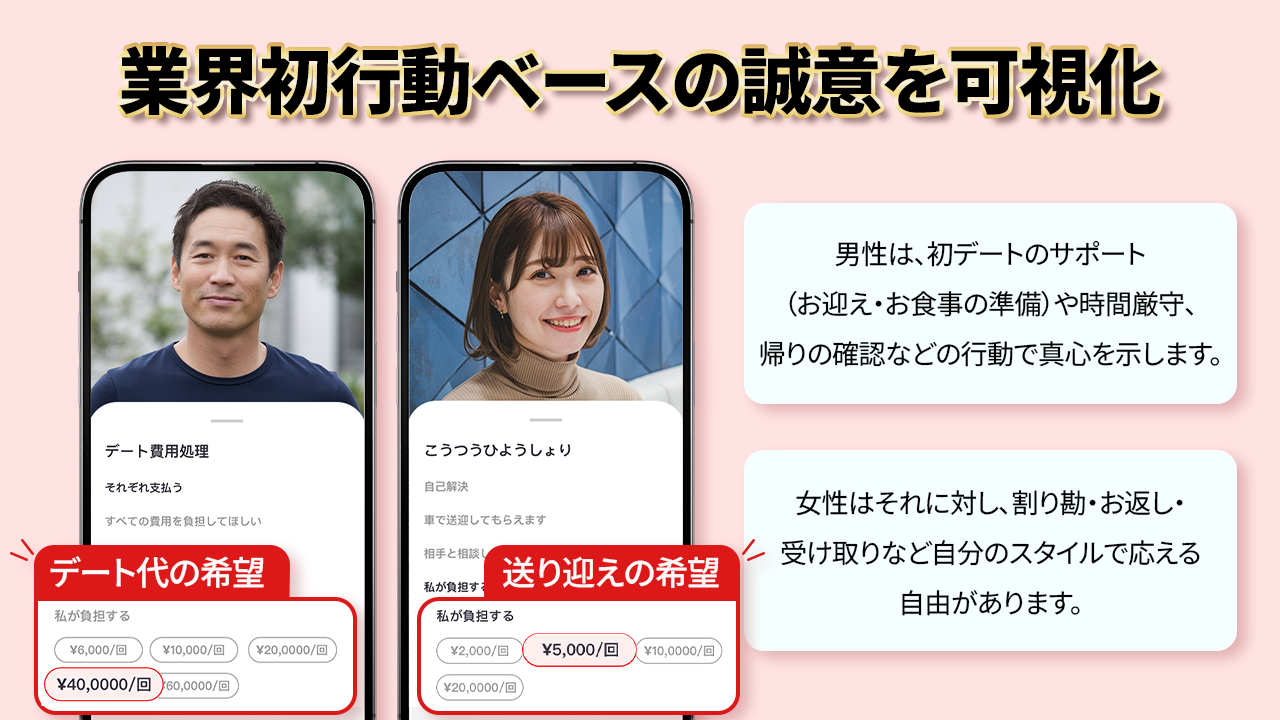
- Tôn trọng lẫn nhau: Tôn trọng nhau như những con người và không xem nhẹ thời gian, tư tưởng và cảm xúc. Ví dụ, khi hẹn hò, việc một người đàn ông lo lắng về chi phí đi lại hoặc bữa ăn không chỉ là “sự nam tính”, mà còn là một phần của sự tôn trọng và quan tâm đối với người kia. Điều này là biểu hiện của các cử chỉ cân bằng trong mối quan hệ (Balanced Gestures).
- Giao tiếp rõ ràng và minh bạch: Có nền tảng để thảo luận cả những điều tốt đẹp lẫn khó khăn một cách thẳng thắn. Cả hai bên có thể mở lòng trao đổi ý kiến về định nghĩa mối quan hệ và hình ảnh tương lai của nó.
- Tôn trọng thời gian và ranh giới cá nhân: Một mối quan hệ lành mạnh không phải là sự hòa trộn của hai người, mà là sự hòa hợp của hai cá tính độc lập. Tôn trọng sở thích, công việc và mối quan hệ bạn bè của nhau, xây dựng niềm tin trong khoảng cách vừa phải thay vì sự hòa nhập quá mức.

Phát triển “trí tuệ mối quan hệ” để xử lý những sắc thái cảm xúc
Trong một mối quan hệ lành mạnh, ngay cả những cảm xúc tiêu cực như ghen tị cũng không được xem là điều cần loại bỏ, mà là “thách thức cần cùng hiểu và quản lý”. Đây là trí tuệ mối quan hệ nâng cao (Advanced Relationship Intelligence) vượt ra ngoài những kỹ thuật tình yêu thông thường.
“Hành động của bạn đã khiến tôi cảm thấy lo lắng. Bạn có thể cho tôi biết lý do không?” và khi đối phương nói “Xin lỗi vì đã khiến bạn cảm thấy như vậy. Ý định của tôi là…” Qua chuỗi tương tác này, cả hai học hỏi những yếu tố nhạy cảm và sự khác biệt trong giá trị của nhau, từ đó nâng cao khả năng phục hồi của mối quan hệ. “Kokoromusubi AI” của Yoitoki hướng đến việc khám phá sự tương thích ở mức độ sâu sắc với những sắc thái cảm xúc và cách đối phó với căng thẳng.
Nhìn nhận giá trị cốt lõi của bạn: Những gì sự mơ hồ đã dạy bạn
Cuối cùng, điều bạn nên nhận được từ trải nghiệm này là làm rõ “giá trị cốt lõi” của chính bạn. Những cảm giác không thoải mái trong mối quan hệ bạn tình chính là dấu hiệu cho thấy mối quan hệ hiện tại không phù hợp với những giá trị mà bạn vô thức trân trọng.
- Cảm thấy lo lắng vì liên lạc không đều → Bạn coi “sự kết nối và thông tin liên lạc hàng ngày” là yếu tố an toàn trong mối quan hệ.
- Bị tổn thương khi biết đối phương có người yêu khác → Bạn coi trọng “tính độc quyền trong việc coi trọng và ưu tiên lẫn nhau”.
- Cảm thấy bực bội vì không có định nghĩa rõ ràng về mối quan hệ → Bạn cần “sự chia sẻ về mục đích và định hướng (Clarity of Intent)”.
Những nhận thức này sẽ là la bàn tốt nhất cho bạn trong việc chọn bạn đời tiếp theo. Giá trị mà Yoitoki mang lại không chỉ là một nơi để gặp gỡ, mà còn là môi trường kết nối những người cùng tìm kiếm một mối quan hệ nghiêm túc dựa trên “sự tương thích sâu sắc”.
Câu hỏi thường gặp (FAQ)
Q1. Ghen tị với bạn tình có phải vì tôi thích người đó không?
A1. Không nhất thiết chỉ có “cảm xúc yêu thương” là nguyên nhân. Nỗi cô đơn của bạn và nhu cầu công nhận có thể ngẫu nhiên hướng về một người gần gũi. Những gì Yoitoki coi trọng không phải là cảm xúc tạm thời mà là “ý định rõ ràng về việc muốn xây dựng tương lai cùng người đó” và sự phù hợp sâu sắc về giá trị.
Q2. Tôi sợ rằng nếu bày tỏ sự ghen tị, mối quan hệ sẽ tan vỡ.
A2. Nỗi sợ đó hoàn toàn hợp lý. Tuy nhiên, một mối quan hệ thực sự tốt đẹp sẽ xây dựng trên nền tảng tin cậy, cho phép thảo luận cả những cảm xúc khó khăn. Cần có sự khéo léo trong cách truyền đạt, nhưng việc bày tỏ cảm xúc cũng là cơ hội để xác định xem liệu đối phương có thể chân thành đối mặt với cảm xúc của bạn hay không. Yoitoki là nơi tập hợp những thành viên coi trọng giao tiếp cởi mở ngay từ đầu.
Q3. Người không cảm thấy ghen tị trong mối quan hệ bạn tình có phải là người lạnh nhạt không?
A3. Không hẳn. Ngược lại, nhiều khả năng họ hiểu rõ ràng ranh giới mối quan hệ và sở hữu cuộc sống cùng danh tính riêng của mình. Họ nhận thức được những gì họ mong đợi từ một mối quan hệ và có thể đang tìm kiếm “sự kết nối sâu sắc” ở nơi khác, điều không thể đạt được từ một mối quan hệ ngẫu nhiên.
Q4. Làm thế nào để loại bỏ cảm giác ghen tị này?
A4. Thay vì “xóa bỏ” cảm xúc, hãy chuyển sự chú ý sang “hiểu biết” về cảm xúc đó. Cảm xúc này đang dạy bạn rằng “bạn không thể hài lòng với một mối quan hệ mơ hồ và không chắc chắn”. Các buổi gặp gỡ có ý định và giá trị rõ ràng như Yoitoki sẽ giảm thiểu rủi ro bị cuốn vào những cảm xúc bất ổn như vậy ngay từ đầu.
Q5. Tôi mệt mỏi với mối quan hệ bạn tình và muốn có một tình yêu nghiêm túc. Làm thế nào để bắt đầu?
A5. Trước tiên, hãy dành thời gian để làm rõ những gì bạn thực sự mong muốn trong “mối quan hệ nghiêm túc”. Nền tảng như Yoitoki không chỉ là nơi gặp gỡ mà còn tạo ra môi trường nơi những người cũng tìm kiếm mối quan hệ nghiêm túc có thể bắt đầu từ việc tôn trọng lẫn nhau và chia sẻ giá trị cũng như quan điểm về tình yêu của họ.
Tóm tắt: Thoát khỏi sự mơ hồ là bước đầu tiên đến kết nối thực sự
Ghen tị với bạn tình không chỉ là một cảm xúc phiền phức, mà có thể là tiếng nói sâu sắc bên trong của bạn đang nói rằng “tôi không chấp nhận sự mơ hồ” và “tôi khao khát một mối quan hệ sâu sắc dựa trên sự tôn trọng và ý định rõ ràng”. Đối diện với cảm xúc này một cách chân thành sẽ giúp bạn nhận diện giá trị cốt lõi của mình và hình thức đối tác mà bạn thực sự mong muốn.
Tình yêu là một sự hợp tác mà trong đó cả hai bên đều duy trì độc lập, nhưng vẫn kết nối sâu sắc về tâm hồn và giá trị, biến những cảm xúc khó khăn thành cơ hội để phát triển. Điều đó bắt đầu từ việc tôn trọng lẫn nhau và cùng nhìn về một hướng ngay từ đầu.
Bắt đầu một hình thức gặp gỡ mới, bạn có muốn không?
Dành cho bạn đã quá mệt mỏi với những mối quan hệ mơ hồ. Nếu bạn đang tìm kiếm một kết nối được xây dựng trên sự nỗ lực và hiểu biết lẫn nhau, thì nơi đây chính là chỗ dành cho bạn.
💖 Tham gia ngay Yoitoki để gặp gỡ những người có cùng suy nghĩ với bạn.