



Đối với những người tìm kiếm cuộc gặp gỡ nghiêm túc tại quán cà phê hẹn hò: Tầm quan trọng của "hiểu biết lẫn nhau" từ cách thức

“Cuộc trò chuyện diễn ra rất suôn sẻ, nhưng không hiểu được ý định thực sự của đối phương...” “Dù sở thích giống nhau, nhưng không thể nói sâu về giá trị và hướng đi trong cuộc sống, dẫn đến mối quan hệ kết thúc mập mờ.” Bạn có cảm thấy mệt mỏi trong tâm hồn vì những "giao tiếp nông cạn" và "sự không nhất quán về ý định" tại những nơi gặp gỡ, bao gồm cả quán cà phê hẹn hò không?
Môi trường gặp gỡ hiện đại đã trở nên đa dạng, và một trong số đó là "quán cà phê hẹn hò" đang thu hút sự chú ý như một lựa chọn mới. Tuy nhiên, mặc dù có vẻ dễ tiếp cận, nơi này cũng ẩn chứa những vấn đề sâu sắc như "nỗi lo chung về sự an toàn", "mặc dù có cuộc trò chuyện nhưng không phát triển thành mối quan hệ sâu sắc", "mối quan hệ mà bạn tìm kiếm lại không đồng nhất với đối phương". Nguyên nhân sâu xa của những vấn đề này có thể là do nơi gặp gỡ chỉ dừng lại ở việc "gặp mặt" và thiếu cấu trúc để nuôi dưỡng "sự hiểu biết lẫn nhau" nhằm xây dựng nội tâm và mối quan hệ thực sự của nhau.
Bài viết này vượt qua việc chỉ là hướng dẫn sử dụng quán cà phê hẹn hò và nhằm hướng đến việc bạn đối diện với "chất lượng của các cuộc gặp gỡ". Đầu tiên, hãy đọc hiểu quán cà phê hẹn hò như một "kiến thức thực tiễn để sử dụng an toàn và có ý nghĩa hơn". Và từ đó, chúng tôi, Yoitoki, muốn chỉ ra con đường đến "mối quan hệ bình đẳng về cảm xúc, tương hỗ, được xây dựng với sự tôn trọng lẫn nhau về giá trị và tầm nhìn cuộc sống, với ý định rõ ràng". Đây là một sự chuyển dịch ý thức từ kết nối ngẫu nhiên sang kết nối có ý định.
Mục lục
- Hiểu bản chất của quán cà phê hẹn hò: Sự khác biệt với "quán cà phê hẹn hò" truyền thống và ý nghĩa hiện đại
- Hướng dẫn thực tế để sử dụng an toàn và có ý nghĩa: Từ tự bảo vệ đến tôn trọng lẫn nhau
- Chuẩn bị nâng cao "chất lượng" của cuộc gặp gỡ: Khái niệm mối quan hệ vượt qua quán cà phê hẹn hò
- Lựa chọn mới: Chọn môi trường để thiết kế cuộc gặp gỡ có ý định
- Phần FAQ
- Kết luận
- Bạn có muốn bắt đầu một hình thức gặp gỡ mới không?
Hiểu bản chất của quán cà phê hẹn hò: Sự khác biệt với "quán cà phê hẹn hò" truyền thống và ý nghĩa hiện đại
Trước tiên, hãy bắt đầu bằng cách hiểu đúng về "nơi này". Vượt qua những khuôn mẫu, nhìn nhận thực tế của quán cà phê hẹn hò trong thời hiện đại và sự đa dạng của "ý định" được trao đổi tại đó sẽ giúp bạn làm rõ lựa chọn của chính mình.
Quá trình lịch sử và hiện đại hóa: Vượt qua khuôn mẫu của "quán cà phê hẹn hò"
Có thể có những người liên tưởng đến một hình ảnh cổ điển và hơi mờ ám từ từ "quán cà phê hẹn hò". Thực tế, trước đây, ấn tượng mạnh mẽ về những không gian này thường là đóng cửa và chủ yếu dành cho khách nam. Tuy nhiên, "quán cà phê hẹn hò" hiện đại đã làm mới hình ảnh này một cách lớn lao. Nội thất của cửa hàng sáng sủa và mở, trong khi vẫn giữ được chức năng của một quán cà phê, đã tiến hóa thành một nơi tạo cơ hội cho nam nữ gặp gỡ một cách tự nhiên.
Quán cà phê hẹn hò hiện đại có thể được phân loại thành ba kiểu chính. Thứ nhất là "kiểu sự kiện" với các chủ đề định kỳ. "Những người đến từ tỉnh XX", "Những người yêu thích hoạt động ngoài trời" và nhiều chủ đề khác giúp mọi người dễ dàng tập hợp, lợi ích là tạo ra những chủ đề ban đầu một cách suôn sẻ. Thứ hai là "kiểu tự do", nơi người tham gia tương tác tương đối tự do, phục vụ cho những ai muốn tận hưởng cuộc trò chuyện với nhiều người theo nhịp độ của riêng mình. Thứ ba là "kiểu đặc thù về sở thích/hoạt động" như câu lạc bộ đọc sách, lớp học nấu ăn, hay buổi chơi board game. Thông qua sở thích chung, cuộc trò chuyện dễ dàng nảy sinh, tạo ra một môi trường giảm bớt căng thẳng. Sự đa dạng này là dấu hiệu cho thấy nơi gặp gỡ đã trở nên phổ biến hơn và đã được tinh chỉnh để phù hợp với nhu cầu của người tiêu dùng.
Hiểu những ý định đa dạng của người tham gia: Hẹn hò, tìm bạn bè, tiêu khiển...
Khi các nơi gặp gỡ đa dạng hóa, "ý định" của những người tập trung tại đó cũng trở nên phong phú. Như đã đề cập trong phân tích cạnh tranh, có đủ loại người tham gia từ sinh viên đến người đi làm, và thậm chí từ nhiều độ tuổi khác nhau. Mục đích của họ vô cùng đa dạng, từ việc "tìm kiếm một đối tác nghiêm túc với mục tiêu kết hôn" đến "muốn tạo ra những người bạn mới một cách thoải mái", "thích thú với các cuộc trò chuyện với người không quen biết trong công việc và cuộc sống hàng ngày", "đơn giản chỉ cần có cơ hội gặp gỡ người khác phái".
Tại đây ẩn chứa một vấn đề lớn, đó là "sự không nhất quán về ý định". Khi bạn đang tìm kiếm một "đối tác để xây dựng mối quan hệ nghiêm túc", nhưng đối phương lại chỉ tìm kiếm "thời gian vui vẻ hôm nay", thì dù cuộc trò chuyện có diễn ra sôi nổi đến đâu, mối quan hệ vẫn sẽ đi lệch hướng, thậm chí đôi khi gây tổn thương và sự nghi ngờ. Sự không nhất quán này, do đặc điểm cấu trúc của nơi gặp gỡ, khiến việc tuyên bố "Tôi đang nghĩ đến việc kết hôn" trong giai đoạn lần đầu gặp gỡ trở nên khó khăn hơn và do đó dễ dàng trở thành một vấn đề rõ ràng hơn. Sự lạc nhịp về ý định không chỉ đơn thuần là sự không tương thích mà còn làm suy giảm an toàn tâm lý, dẫn đến rủi ro thất vọng vì "cuộc gặp gỡ thực sự rất khó khăn ở nơi này".
Quan điểm của Yoitoki: Tính chất của nơi và tầm quan trọng của "hướng đi của mối quan hệ"
Quán cà phê hẹn hò về bản chất chỉ cung cấp "cơ hội gặp gỡ". Đó là sự ngẫu nhiên của việc có mặt cùng một không gian, hoặc được tạo ra bởi những điểm chung về sở thích. Tuy nhiên, điều chúng ta thực sự cần là "cách nuôi dưỡng mối quan hệ sau khi đã gặp gỡ, và hướng đi mà mối quan hệ ấy sẽ đi", đó chính là quá trình ở phía trước.
Ở điểm này, Yoitoki có một triết lý rõ ràng. Đó là, "cuộc gặp gỡ" là "khởi đầu của mối quan hệ", và việc chia sẻ "hướng đi" mà mối quan hệ sẽ đi ngay từ đầu là bước đầu tiên để tôn trọng thời gian và cảm xúc của nhau. "Nơi" của quán cà phê hẹn hò cho phép người tham gia xác định hướng đi này thông qua cuộc đối thoại và sự thấu hiểu của chính họ.
[Góc nhìn của Yoitoki] Tâm điểm mà chúng tôi muốn truyền tải trong phần này là sự hiểu biết về tính chất của nơi, cùng với tầm quan trọng của "sở hữu một 'ý định rõ ràng'". Yoitoki đánh giá cao việc rõ ràng về ý định (Clarity of Intent), bắt đầu từ việc bạn đối thoại tĩnh lặng với chính mình trước khi chọn quán cà phê hay xây dựng hồ sơ cá nhân. "Tôi đang tìm kiếm điều gì? Đó có phải là tình yêu, hôn nhân, hay một tình bạn sâu sắc không?". Sự tự vấn này sẽ nâng cao việc chọn lựa nơi không chỉ dừng lại ở bề ngoài mà còn trở thành "sự lựa chọn có ý định" phù hợp với kế hoạch cuộc sống của bạn. Nếu ý định của chính bạn không rõ ràng, thì dù bạn có đến những nơi tuyệt vời đến đâu, việc tìm thấy điều mình đang tìm kiếm sẽ trở nên khó khăn.
Hướng dẫn thực tế để sử dụng an toàn và có ý nghĩa: Từ tự bảo vệ đến tôn trọng lẫn nhau
Vậy, để làm cho quán cà phê hẹn hò trở nên an toàn hơn và có ý nghĩa hơn, những tâm thế và thực hành nào là cần thiết? Ở đây, chúng tôi sẽ giới thiệu những bước cụ thể dựa trên "sự tôn trọng" thay vì "tự vệ".

Nguyên tắc quản lý thông tin cá nhân: Thiết lập ranh giới để bắt đầu cuộc trò chuyện một cách thoải mái
Cảm giác an toàn là nền tảng của một cuộc đối thoại tốt. Để đạt được điều đó, việc xác định rõ "ranh giới (boundary)" của bạn và có những quy tắc cụ thể để bảo vệ chúng là điều cần thiết.
- Thời điểm chia sẻ SNS và thông tin liên lạc: Tránh trao đổi ngay lập tức trong lần gặp đầu tiên, mà hãy đề xuất sau khi đã có một cuộc trò chuyện và đạt được mức độ tin tưởng và gần gũi nhất định. "Hôm nay tôi đã có một cuộc trò chuyện thú vị. Nếu bạn không phiền, tôi rất vui nếu có cơ hội nói chuyện lại", hãy bắt đầu theo cách tôn trọng ý chí của đối phương.
- Kiểm soát phạm vi công khai: Chọn các tài khoản SNS có phạm vi công khai hạn chế (ví dụ: "tài khoản Instagram kín") để sử dụng hồ sơ mà bạn có thể kiểm soát. Thông tin cụ thể như tên thật hay nơi làm việc nên được xử lý cẩn thận cho đến khi mối quan hệ phát triển hơn.
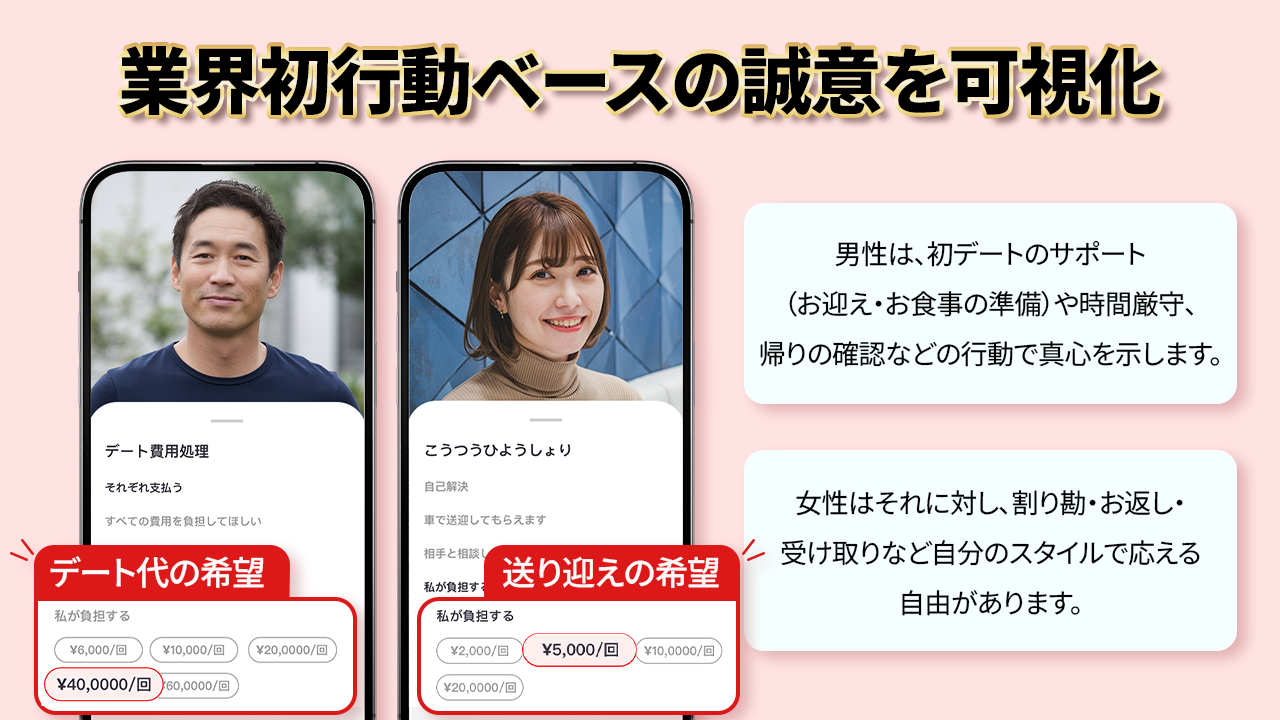
- Địa điểm và thời gian gặp gỡ: Ban đầu, hãy đề xuất cuộc hẹn vào ban ngày tại những nơi đông người và có tính công cộng cao. Trong cộng đồng của Yoitoki, tinh thần "hiếu khách" mà nam giới trả tiền cho bữa ăn đầu tiên hay chi phí đi lại được coi trọng, nhưng điều này cũng được xem như một phần của sự tôn trọng lẫn nhau, và nữ giới cũng được khuyến khích nỗ lực bằng cách mời hẹn lần sau. An toàn là điều kiện tiên quyết để cả hai bên có thể thoải mái.
Kỹ thuật "hỏi" để làm sâu sắc thêm cuộc trò chuyện: Không chỉ về sở thích mà còn chạm đến giá trị
“Bạn làm nghề gì?” “Sở thích của bạn là gì?”. Những câu hỏi này là những cách mở đầu tốt nhưng nếu dừng lại ở đây, cuộc trò chuyện sẽ chỉ dừng lại ở việc trao đổi thông tin bề mặt. Để hiểu rõ hơn về con người và khám phá sự tương thích, cần có những câu hỏi chạm đến "giá trị" và "cảm xúc".
- Về công việc: “Điều gì đã khiến bạn chọn công việc này?” “Khoảnh khắc bạn cảm thấy hạnh phúc nhất trong công việc là khi nào?”. Điều này sẽ tiếp cận đến tiêu chí lựa chọn của người đó và những điều họ cảm thấy vui vẻ.
- Về sở thích: “Điều gì thu hút bạn ở sở thích đó? (ví dụ: với leo núi có thể là "sự tĩnh lặng giữa thiên nhiên" hay "cảm giác đạt đỉnh")” “Khi nào bạn cảm thấy thư giãn nhất vào cuối tuần?” Bằng cách tìm hiểu "phần thưởng cảm xúc" mà hoạt động đó mang lại, bạn sẽ có cái nhìn sâu hơn về nội tâm của người đó.
- Về các mối quan hệ: “Khi bạn xảy ra mâu thuẫn với bạn bè hay gia đình, bạn sẽ giải quyết như thế nào?” “Khi thấy ai đó gặp khó khăn, bạn thường có hành động gì?” Những câu hỏi này sẽ cho thấy "trí tuệ mối quan hệ (Relationship Intelligence)" của người đó, tức là phong cách giao tiếp, khả năng đồng cảm và phương pháp đối phó với căng thẳng. Đây là yếu tố quan trọng hơn cả việc sở thích phù hợp trong việc xây dựng mối quan hệ lâu dài.
Xác định tín hiệu nguy hiểm và quy tắc rút lui một cách thoải mái
Thật không may, không phải tất cả các cuộc gặp gỡ đều diễn ra suôn sẻ. Khi bạn gặp phải những hành động xâm phạm ranh giới và làm suy giảm an toàn tâm lý của mình, kỹ năng rời khỏi tình huống đó một cách lịch sự cũng là một phần quan trọng của sự tôn trọng bản thân.
- Ví dụ về tín hiệu nguy hiểm:
- Hỏi những câu hỏi quá riêng tư một cách liên tục dù mới gặp lần đầu.
- Không coi trọng hay phủ nhận ý kiến và cảm xúc của bạn.
- Ngụ ý yêu cầu tài chính (như vay tiền hoặc đòi quà đắt tiền).
- Dễ dàng phá vỡ các thỏa thuận và cam kết.
- Quy tắc rút lui một cách thoải mái:
- Truyền đạt một cách rõ ràng và nhẹ nhàng. "Xin lỗi, hôm nay tôi sẽ dừng lại ở đây. Cảm ơn bạn đã trò chuyện."
- Không cần phải nói dối hay đưa ra lý do dài dòng. Chỉ cần nói "Xin phép" và rời đi.
- Có thể gửi tín hiệu cho nhân viên hoặc nhân viên phục vụ (đã được thỏa thuận trước) để sử dụng sự hỗ trợ từ phía tổ chức cung cấp nơi gặp gỡ.
[Góc nhìn của Yoitoki] Hãy xem các biện pháp an toàn tại đây không chỉ là "sự nghi ngờ" hay "các biện pháp phòng vệ", mà là "thiết lập ranh giới lành mạnh, tôn trọng bản thân và đối phương". Điều này trực tiếp liên quan đến triết lý cốt lõi của Yoitoki về "sự bình đẳng cảm xúc" và "sự tôn trọng lẫn nhau". Kỹ thuật hỏi để dẫn dắt các cuộc trò chuyện sâu sắc cũng là cửa ngõ cho "ngôn ngữ hóa giá trị và cảm xúc" mà AI kết nối trái tim của chúng tôi đánh giá cao. Việc diễn đạt nội tâm của chính mình bằng lời nói và tôn trọng nội tâm của đối phương khi giao tiếp là nền tảng cho mọi mối quan hệ sâu sắc.
Chuẩn bị nâng cao "chất lượng" của cuộc gặp gỡ: Khái niệm mối quan hệ vượt qua quán cà phê hẹn hò
Để không chỉ là "khoảnh khắc vui vẻ" khi gặp gỡ tại quán cà phê hẹn hò, việc "chuẩn bị" trước khi đến nơi là điều rất quan trọng. Đó là một quá trình nội tâm hóa để đối diện với chính mình và làm rõ bản chất của mối quan hệ mà bạn đang tìm kiếm.
Tự kiểm tra trước khi tham gia: Bạn thực sự đang tìm kiếm mối quan hệ nào?
Đầu tiên, hãy sử dụng danh sách kiểm tra đơn giản dưới đây để đối diện với cảm xúc của chính bạn.
- Xác nhận động cơ: Lý do chính bạn nghĩ đến việc đến quán cà phê hẹn hò là gì?
- (A) Tôi muốn tìm một đối tác nghiêm túc với mục tiêu hôn nhân.
- (B) Tôi muốn có một cuộc tình, nhưng không cần phải quyết định kết hôn ngay lập tức. Trước hết tôi muốn tìm người có thể hẹn hò.
- (C) Tôi muốn kết bạn mới hoặc tăng thêm những người bạn có cùng sở thích.
- (D) Tôi muốn có cơ hội trò chuyện với người khác phái. Không có mục đích đặc biệt nào.
- Kỳ vọng về cảm xúc: Cảm xúc quan trọng nhất mà bạn muốn trân trọng trong mối quan hệ với người mà bạn gặp là gì?
- (A) Cảm giác an toàn, tin tưởng và hỗ trợ lẫn nhau.
- (B) Sự phấn khích, niềm vui và kích thích.
- (C) Sự đồng cảm, thấu hiểu và chia sẻ khoảnh khắc bình yên.
- Tưởng tượng về thời gian: Bạn tưởng tượng mối quan hệ lý tưởng của mình sẽ như thế nào sau một năm?
- (A) Tham gia vào gia đình và bạn bè của nhau, thảo luận cụ thể về kế hoạch tương lai.
- (B) Có những cuộc hẹn vui vẻ và đang trong quá trình làm sâu sắc thêm mối quan hệ.
- (C) Giữ liên lạc định kỳ và trở thành người quan trọng có thể chia sẻ những điều bình thường trong cuộc sống.
Những câu hỏi này sẽ giúp làm rõ "ý định" tham gia của bạn và sẽ trở thành la bàn chỉ ra "hướng đi" tự nhiên mà bạn nên truyền đạt trong cuộc trò chuyện.
Phần sâu của sự tương thích: Lối sống, ưu tiên trong cuộc sống, phong cách đối thoại
Các "điểm chung bề mặt" như sở thích hay ngoại hình có thể là sức hút mạnh mẽ trong lần gặp đầu tiên, nhưng sự tương thích bền vững và lâu dài dựa trên "sự tương thích sâu sắc". Điều này bao gồm các yếu tố dưới đây.
- Lối sống và ưu tiên trong cuộc sống: Bạn có phải là người thích dậy sớm hay thức khuya, bạn có trân trọng thời gian ở nhà hay thích hoạt động ngoài trời, giá trị về tiết kiệm và tiêu dùng, quan điểm về sự nghiệp và gia đình. Sự nhất quán hoặc ít nhất là sự hiểu biết và tôn trọng lẫn nhau về những điều này sẽ giảm thiểu sự khác biệt trong cuộc sống hàng ngày.
- Ngôn ngữ cảm xúc và phong cách đối thoại: Khi cảm thấy căng thẳng, bạn có phải là người thích ở một mình hay muốn có người lắng nghe? Bạn có tự nhiên thể hiện sự biết ơn và tình cảm bằng lời nói hay bằng hành động? (Điều này cũng liên quan đến khái niệm "ngôn ngữ của tình yêu"). Khi có ý kiến trái chiều, bạn có thể thảo luận một cách xây dựng hay trở nên cảm tính?
- Phong cách chăm sóc: Khi đối phương bị ốm, họ cần loại hỗ trợ nào và muốn cung cấp loại hỗ trợ nào? Điều này là nền tảng cho mối quan hệ cho phép cả hai bên chấp nhận sự yếu đuối của nhau, không chỉ đơn thuần là lòng tốt.
Những yếu tố này có thể rất khó để hiểu trong một cuộc trò chuyện tại quán cà phê lần đầu. Tuy nhiên, bạn vẫn có thể khám phá được một phần nào đó về lối sống và ưu tiên của người khác thông qua những câu hỏi như "Cuối tuần, bạn thích làm gì nhất?" hay "Điều gì bạn đang cố gắng làm nhiều nhất gần đây?".
Lời khuyên của chuyên gia: Các điểm cần chú ý từ nhà tâm lý học về mối quan hệ "khi lần đầu gặp gỡ"
Nghiên cứu về tâm lý học mối quan hệ cho thấy tương tác tinh tế trong lần gặp đầu tiên có thể dự đoán chất lượng của mối quan hệ sau này. Các chuyên gia chú ý đến không phải là ngoại hình hay sự phong phú của chủ đề, mà là sự hiện diện của "thái độ lắng nghe đồng cảm" và "sự tương hỗ (reciprocity)".
Ví dụ, khi bạn đang nói, đối phương có không nhìn vào điện thoại mà gật đầu và gửi các tín hiệu phi ngôn ngữ không? Sau khi bạn đặt câu hỏi, liệu đối phương có trả lời lại bạn câu hỏi tương tự không? Điều này là chỉ số quan trọng cho thấy đối phương có quan tâm đến "chia sẻ khoảnh khắc này" và "biết đến con người bạn" hay không.
Thêm vào đó, nếu trong cuộc trò chuyện đầu tiên chỉ toàn tự mãn và nói về các mối tình trong quá khứ, thì có thể bạn nên chú ý. Mối quan hệ lành mạnh dựa trên sự cân bằng giữa việc tiết lộ và sự tò mò của cả hai bên. Đối phương có quan tâm đến câu chuyện của bạn không và bạn cũng có thể tự nhiên cảm thấy sự tò mò về câu chuyện của đối phương không. "Dòng chảy hai chiều" này là bước đầu tiên dẫn đến sự hiểu biết sâu sắc lẫn nhau.
[Góc nhìn của Yoitoki] Tâm điểm của phần này chính là giá trị của "sự tương thích sâu sắc (Deep Compatibility)" và "trí tuệ mối quan hệ" mà Yoitoki cung cấp. Sự gặp gỡ tại quán cà phê hẹn hò như một "cửa ngõ" để suy nghĩ về mối tương thích ở mức độ sâu hơn là cốt lõi của dịch vụ của chúng tôi. AI "kết nối trái tim" của Yoitoki hỗ trợ ngôn ngữ hóa những yếu tố sâu sắc này (giá trị, phong cách xử lý cảm xúc và tầm nhìn cuộc sống) thông qua các câu hỏi được hỗ trợ bởi tâm lý học, giúp nhận diện "khả năng duy trì mối quan hệ" mà không thể đo lường chỉ bằng các đặc điểm bề mặt. Đây là một cách tiếp cận mới nhằm gặp gỡ những đối tượng có sự tương thích cao một cách có ý định, thay vì chỉ dựa vào sự trùng hợp ngẫu nhiên.
💡 Yoitoki Insights: Vượt ra ngoài thuật toán
Những thách thức mà bạn đang phải đối mặt chính là lý do chúng tôi phát triển "Kokoromusubi" (Kết nối trái tim). Trong khi các ứng dụng khác chỉ dựa vào những đặc điểm bề mặt để kết nối, AI của chúng tôi hiểu các "sự tương thích sâu sắc" dựa trên cách mà bạn đối diện với căng thẳng, cách mà bạn thể hiện sự quan tâm và khả năng chia sẻ giá trị.
👉 Tìm kiếm sự tương thích thực sự với Yoitoki →

Lựa chọn mới: Chọn môi trường để thiết kế cuộc gặp gỡ có ý định
Cuối cùng, hãy cùng nhau suy nghĩ về việc lựa chọn "môi trường" tốt nhất để xây dựng "mối quan hệ" mà bạn thực sự đang tìm kiếm, so với nhiều nơi gặp gỡ đa dạng, bao gồm cả quán cà phê hẹn hò.
So sánh các nơi gặp gỡ đa dạng: Sự khác biệt giữa quán cà phê hẹn hò, ứng dụng hẹn hò và dịch vụ ghép đôi theo triết lý như Yoitoki
| So sánh | Quán cà phê hẹn hò | Ứng dụng hẹn hò thông thường | Dịch vụ ghép đôi theo triết lý như Yoitoki | | :--- | :--- | :--- | :--- | | Mục đích chính | Gặp gỡ một cách thoải mái, kết bạn, khởi đầu cho việc hẹn hò | Tìm kiếm đối tác tình yêu hoặc hôn nhân | Xây dựng mối quan hệ nghiêm túc dựa trên ý định rõ ràng | | Tính chủ động trong nỗ lực | Phụ thuộc lớn vào sự chủ động và khả năng giao tiếp của người tham gia | Hầu như hoàn toàn phụ thuộc vào người tham gia (quẹt, nhắn tin) | Tương hỗ: AI cung cấp phân tích sâu sắc và khuyến khích nỗ lực từ cả hai bên | | Cách tiếp cận đến sự tương thích sâu sắc | Cần người tham gia tự tìm kiếm qua cuộc trò chuyện | Phụ thuộc vào văn bản hồ sơ và thẻ sở thích | Ghép đôi dựa trên phân tích sâu sắc về "giá trị", "phong cách cảm xúc" và "tầm nhìn cuộc sống" | | An toàn và kiểm tra | Có thể do cửa hàng quy định (có quy tắc rõ ràng hoặc không) | Hầu như tự khai báo, có nguy cơ hồ sơ giả | Áp dụng hệ thống kiểm tra xác nhận hồ sơ và ý định của tất cả người tham gia | | Hỗ trợ xây dựng mối quan hệ | Chỉ cung cấp nơi (trừ các sự kiện) | Hầu như không có (có sự kiện cho các gói trả phí) | Cung cấp nguồn lực và cộng đồng hỗ trợ xây dựng mối quan hệ sau khi ghép đôi | | Thời gian và hiệu quả chi phí | Có thể trò chuyện với nhiều người trong một lần tham gia. Có nguy cơ không nhất quán về ý định. | Nhiều lựa chọn nhưng cũng có nhiều sự lệch lạc sau khi ghép đôi. | Cần thời gian cho phân tích bản thân ban đầu, nhưng có khả năng cao gặp được đối tượng có ý định và sự tương thích sâu sắc. |
Như bảng trên cho thấy, Yoitoki không chỉ là "nơi tập hợp mọi người" hay "công cụ cung cấp nhiều lựa chọn". Yoitoki được xác định là một nền tảng thiết kế khởi đầu cho mối quan hệ dựa trên "ý định rõ ràng" và "sự tương thích sâu sắc" với "nỗ lực từ cả hai phía".
Tiếng nói của những người thành công: Kinh nghiệm của những người đã xây dựng mối quan hệ tốt từ quán cà phê hẹn hò (dưới dạng phỏng vấn ẩn danh)
Ông A (nam giới trong độ tuổi 30) và bà B (nữ giới trong độ tuổi 30) đã gặp nhau tại một quán cà phê hẹn hò theo sở thích. Ban đầu, họ đã có những cuộc trò chuyện sôi nổi về câu lạc bộ leo núi cùng nhau, nhưng ông A không dừng lại ở đó. Khi bà B nói “Tôi thích cảnh từ đỉnh núi”, ông đã hỏi sâu hơn “Đó có phải là cảm giác tĩnh lặng khi thấy mình nhỏ bé giữa thiên nhiên rộng lớn không?”. Câu hỏi này đã khiến cuộc trò chuyện của họ tự nhiên phát triển thành “cách giải tỏa căng thẳng” và “những giá trị mà họ trân trọng”. Quán cà phê hẹn hò chỉ là "cơ hội" ban đầu, sau đó, hai người đã chủ động hẹn hò và dành thời gian thảo luận sâu về quan điểm sống của nhau. "Có thể đã có những người cùng sở thích khác. Nhưng lúc đó, việc ông quan tâm đến cảm xúc sâu xa của tôi chính là lần đầu tiên tôi cảm nhận được 'sự đồng cảm' và 'thái độ nghiêm túc trong đối thoại' của ông," bà B nhớ lại. Mối quan hệ của họ bắt đầu từ sở thích và đã phát triển thành "nỗ lực đối thoại" để tôn trọng lẫn nhau về nội tâm.

Môi trường hỗ trợ ý định: Tại sao thiết kế và triết lý của nơi gặp gỡ lại quan trọng
Nhiều mối quan hệ thành công được nuôi dưỡng bởi "cuộc gặp gỡ ngẫu nhiên" và "nỗ lực có ý định". Và để duy trì "nỗ lực có ý định", môi trường hỗ trợ là cực kỳ quan trọng. Đó không chỉ là một không gian vật lý nơi mọi người tụ tập, mà còn là một dạng "nền văn hóa" nơi tất cả người tham gia chia sẻ "sự tôn trọng lẫn nhau" và "ý định rõ ràng".
- Quy tắc rõ ràng và điều phối: Một môi trường có những quy tắc tối thiểu để bảo vệ giao tiếp lành mạnh và được thực thi đúng cách sẽ mang lại cảm giác an toàn cho người tham gia.
- Cộng đồng dựa trên giá trị: Việc có một giả định chung rằng "những người đang tìm kiếm mối quan hệ nghiêm túc sẽ gặp gỡ nhau" sẽ tạo ra sự hiểu biết ngầm về cách thức trò chuyện và tiến triển mối quan hệ, từ đó giảm thiểu xung đột.
- Hướng dẫn xây dựng mối quan hệ: Một môi trường cung cấp các mẹo cho cuộc trò chuyện và kiến thức để vượt qua xung đột sẽ tăng cường tính bền vững của mối quan hệ khi có sự lo lắng về "tiếp theo phải làm gì?" sau khi ghép đôi.
Một môi trường như vậy sẽ gia tăng và bảo vệ ý định "xây dựng mối quan hệ tốt" của từng người tham gia.
[Góc nhìn của Yoitoki] Để thực sự hiện thực hóa "cuộc gặp gỡ có ý định", không chỉ cần nỗ lực cá nhân mà còn cần thiết kế "môi trường" hỗ trợ điều đó. Yoitoki chính xác là nơi cung cấp một hệ sinh thái "cuộc gặp gỡ" tổng thể, từ việc làm rõ ý định của người tham gia, ghép đôi dựa trên sự tương thích sâu sắc, cho đến việc xây dựng mối quan hệ sau đó. Được hỗ trợ bởi hệ thống kiểm tra để tạo dựng "nền tảng nghiêm túc", và phân tích AI để cung cấp "chất dinh dưỡng cho sự tương thích sâu sắc", cùng với cộng đồng và nguồn lực để giám sát "sự phát triển của mối quan hệ". Đó là lý do tại sao chúng tôi đặc biệt chú trọng đến "chất lượng cuộc gặp gỡ".
Phần FAQ
Q: Có thể tìm thấy đối tác nghiêm túc với mục tiêu kết hôn tại quán cà phê hẹn hò không?
A: Không phải là không có khả năng, nhưng trong nhiều trường hợp, mục đích của người tham gia là đa dạng. Do đó, điều quan trọng là phải có những cuộc trò chuyện để xác minh ý định của nhau một cách cẩn thận trong giai đoạn đầu. Yoitoki sẽ kết nối bạn với những người có ý định phù hợp từ đầu, giúp chia sẻ một nền tảng "nghiêm túc" ngay từ đầu, giúp sử dụng thời gian và năng lượng một cách có ý nghĩa.
Q: Phụ nữ có thể tham gia một mình một cách an toàn không?
A: Việc chọn địa điểm (đánh giá, rõ ràng phương châm hoạt động) và giao tiếp để bảo vệ ranh giới của bạn là rất quan trọng. Hãy sử dụng các biện pháp an toàn được giới thiệu trong bài viết này. Hơn nữa, điều quan trọng là môi trường tham gia có tinh thần tôn trọng lẫn nhau, nơi mọi người đều tìm kiếm những cuộc gặp gỡ lành mạnh. Yoitoki áp dụng hệ thống kiểm tra nơi mọi người đều xác nhận hồ sơ và ý định của nhau, nhằm tạo ra một không gian an toàn để mọi người tham gia.
Q: Dù đã tham gia nhiều lần nhưng mối quan hệ không phát triển sâu sắc. Phải chăng do tôi có vấn đề?
A: Không nhất thiết phải là vấn đề của cá nhân. Do đặc điểm của nơi gặp gỡ, có thể một số cuộc giao tiếp trở nên nông cạn. Để làm sâu sắc mối quan hệ, cần có cơ hội để thảo luận về những "sự tương thích sâu sắc" hơn là chỉ sở thích chung, như giá trị, phong cách xử lý cảm xúc và mục tiêu cuộc sống. AI "kết nối trái tim" của Yoitoki nhằm phân tích những phần khó ngôn ngữ hóa này và giúp hình dung sự tương thích ở mức độ sâu hơn.
Q: Nếu xem xét hiệu quả chi phí, thì nên chọn quán cà phê hẹn hò hay ứng dụng ghép đôi?
A: Nếu bạn tìm kiếm "số lượng cuộc gặp gỡ", ứng dụng có thể là lựa chọn tốt hơn, còn nếu bạn tìm kiếm "chất lượng và hướng đi của cuộc gặp gỡ", thì dịch vụ ghép đôi có triết lý cũng là một lựa chọn. Quán cà phê hẹn hò có thể nằm ở giữa. Điều quan trọng là làm rõ những gì bạn mong đợi từ việc đầu tư (thời gian, chi phí, năng lượng). Yoitoki không chỉ đơn thuần là "ghép đôi", mà còn coi trọng việc tìm ra "sự tương thích sâu sắc", nhằm xây dựng mối quan hệ tốt đẹp lâu dài.
Q: Tôi cảm thấy căng thẳng khi gặp lần đầu và không thể thể hiện bản thân. Tôi phải làm gì?
A: Căng thẳng là điều tự nhiên. Bạn có thể thử đặt ra những mục tiêu nhỏ (như "Hôm nay tôi sẽ nói chuyện với 3 người về tên và mùa yêu thích"). Bản thân bạn không phải là "bản thân hoàn hảo", mà là "người cố gắng chân thành truyền đạt suy nghĩ và cảm xúc của mình". Yoitoki hỗ trợ bạn trong việc ngôn ngữ hóa nội tâm của mình ngay từ giai đoạn tạo hồ sơ, từ đó giúp bạn có thể tiếp cận những giá trị sâu sắc của đối phương trước khi gặp mặt, giảm bớt sự lo lắng trong lần đầu gặp mặt và bắt đầu cuộc đối thoại từ một nền tảng sâu sắc hơn.
Kết luận
Quán cà phê hẹn hò là một không gian hiện đại chứa đựng khả năng trở thành cánh cửa cho những mối quan hệ mới. Chìa khóa để khai thác tối đa khả năng này là "sự chú ý chủ động đến an toàn" và "nhận thức về chất lượng cuộc gặp gỡ", và trên hết là "thái độ tôn trọng ý định và giá trị của chính mình và của đối phương". Có cái nhìn về nơi gặp gỡ và cách nuôi dưỡng mối quan hệ sẽ biến "gặp gỡ chỉ để gặp mặt" thành "kết nối có ý nghĩa".
Nếu bạn đang tìm kiếm một mối quan hệ nghiêm túc, cuối cùng bạn không muốn chỉ dựa vào sự trùng hợp ngẫu nhiên, mà hãy chọn một môi trường mà bạn có thể tìm thấy ý chí thực sự để cùng nhau bước đi trong cuộc sống. Đó là một mối quan hệ mà cả hai bên cùng nhau xác nhận hướng đi và tiến bước một cách bình đẳng, không phải là điều được ban tặng mà là điều được xây dựng chung.
Bạn có muốn bắt đầu một hình thức gặp gỡ mới không?
Đối với những ai đã mệt mỏi với những mối quan hệ mập mờ. Nếu bạn tìm kiếm những kết nối được xây dựng dựa trên nỗ lực và sự hiểu biết thực sự, thì bạn đã đến đúng nơi.
💖 Tham gia ngay Yoitoki và gặp những người cùng chí hướng với bạn.